DIN rail thermostats are essential components in modern control systems, providing precise temperature regulation in various applications. These devices are designed to be mounted on standard DIN rails, making installation straightforward and efficient. In this article, we will delve into the workings, advantages, applications, and considerations of using DIN rail thermostats.
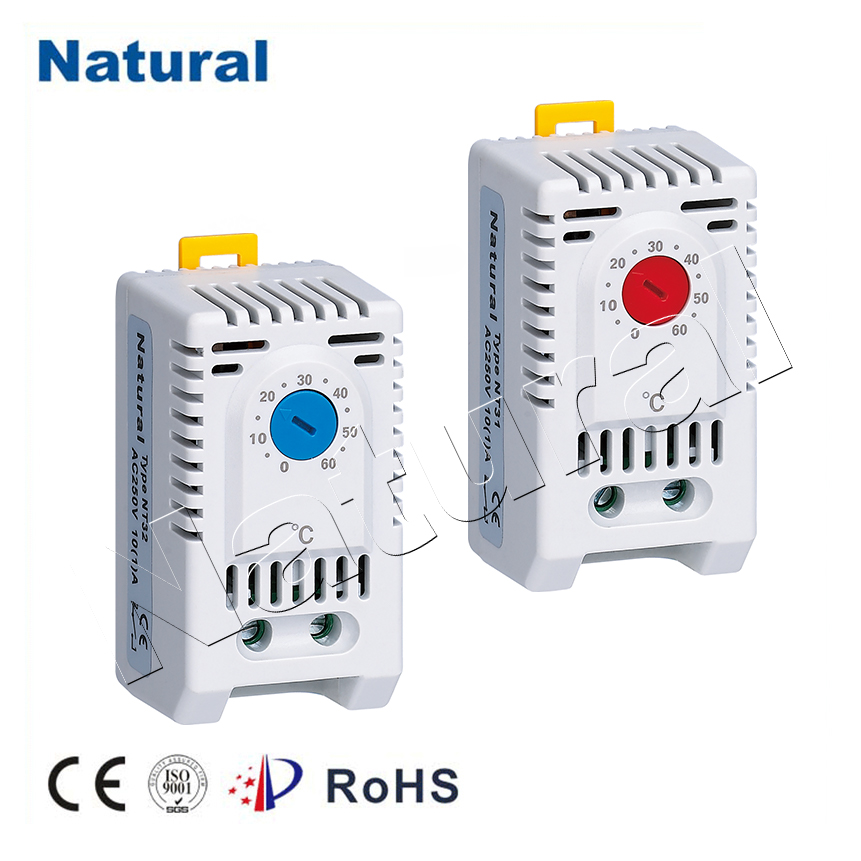
What is a DIN Rail Thermostat?
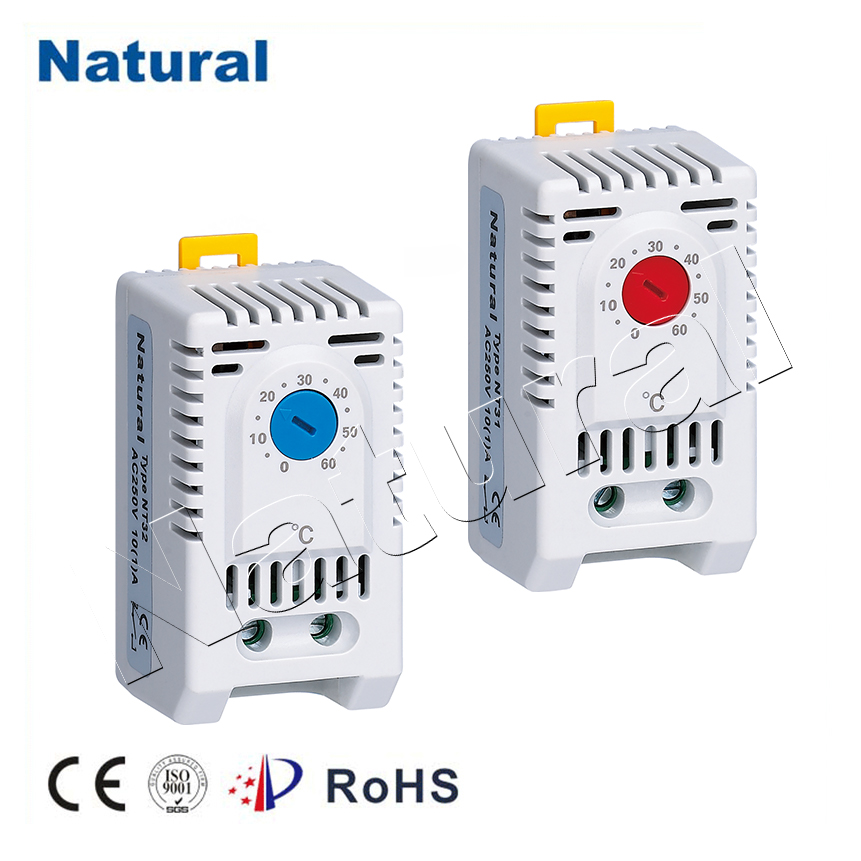
A DIN rail thermostat is an electrical device that monitors and controls temperature within a specified environment. It operates by measuring the temperature and switching on or off heating or cooling systems to maintain the desired temperature setpoint. The design adheres to the DIN (Deutsches Institut für Normung) standard, allowing for easy integration into electrical cabinets and panels.
Key Features and Functionality DIN rail thermostats come equipped with various features that enhance their usability. Most models include adjustable setpoints, which allow users to customize temperature settings according to specific needs. Many units also feature digital displays, providing real-time temperature readings and status indicators. Some advanced models include programmable functions, enabling users to set different temperature profiles throughout the day or week.
