In various industries, from automation to fluid control, the use of valves is paramount. Among the numerous types of valves, DC (Direct Current) solenoid valves play a crucial role in enabling efficient and controlled fluid dynamics. This article will offer a comprehensive understanding of DC solenoid valves, encompassing their definition, working principles, applications, advantages, and essential considerations for their selection.
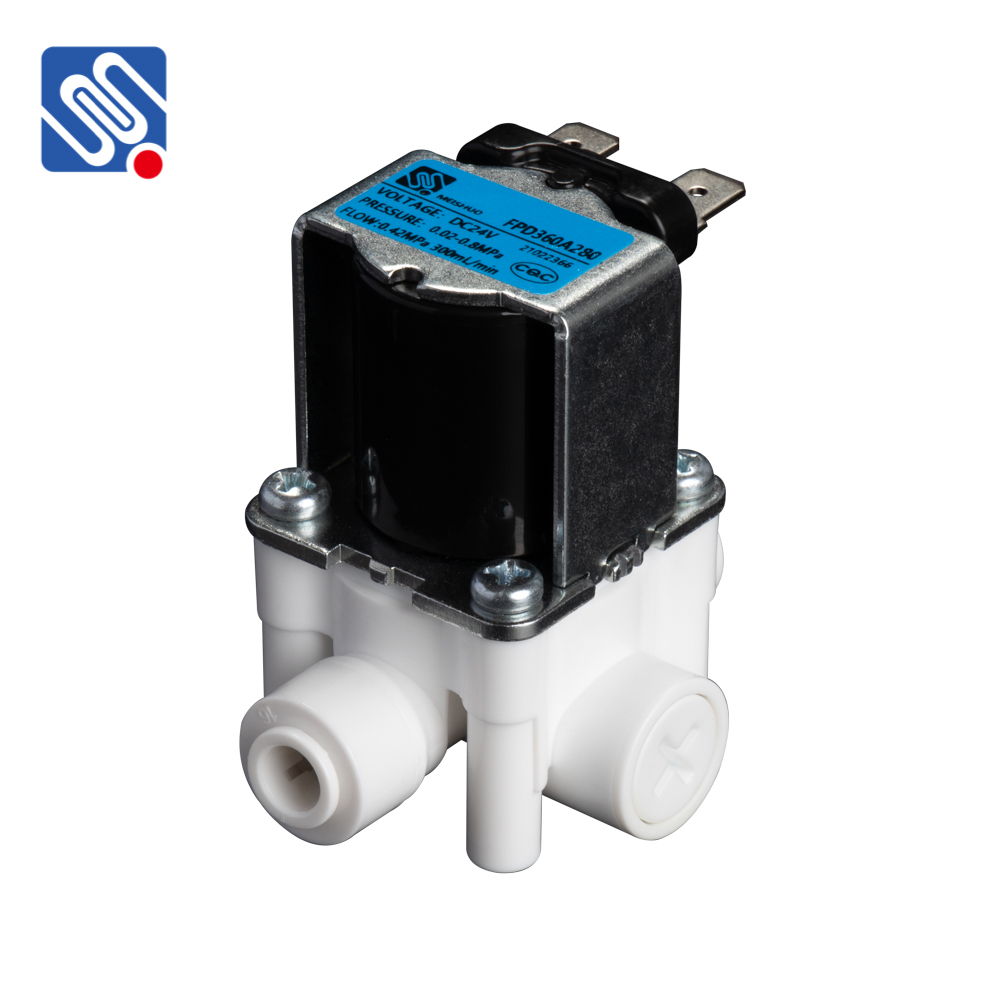
What is a DC Solenoid Valve? A DC solenoid valve is an electromechanical device that utilizes an electromagnetic solenoid to control the flow of fluids, whether gas or liquid. When electrical current is applied to the solenoid coil, it generates a magnetic field, which moves the valve’s internal mechanism (the valve diaphragm or plunger), thus opening or closing the valve. Typically powered by low voltage DC sources, these valves are hailed for their reliability and efficiency. Working Principles The fundamental operation of a DC solenoid valve revolves around its simple yet effective design. When the solenoid coil is energized by a DC power supply, a magnetic field is produced. This field exerts force on the movable valve component (the plunger), either lifting it away from the valve seat (in the case of normally closed valves) or pushing it down against it (for normally open valves). The movement of the plunger dictates whether the fluid passage is open or closed. Once the current is cut off, the magnetic field dissipates, and a return spring forces the plunger back to its original position, resulting in the valve’s closure.
Leave a Reply