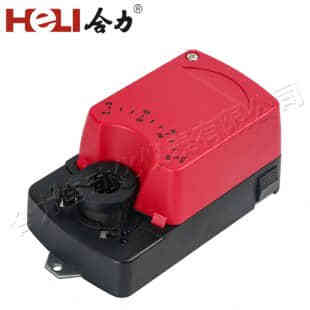
Damper actuators are integral components of modern HVAC (Heating, Ventilation, and Air Conditioning) systems, playing a crucial role in controlling airflow within ducts and ventilation systems. Their primary function is to adjust the position of dampers, which regulate the flow of air, ensuring that systems operate efficiently and maintain desired temperature and air quality levels. This article explores the importance of damper actuators, how they work, and their applications in various industries.
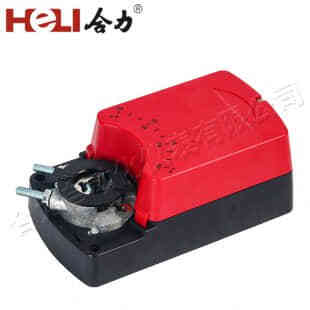
What is a Damper Actuator?
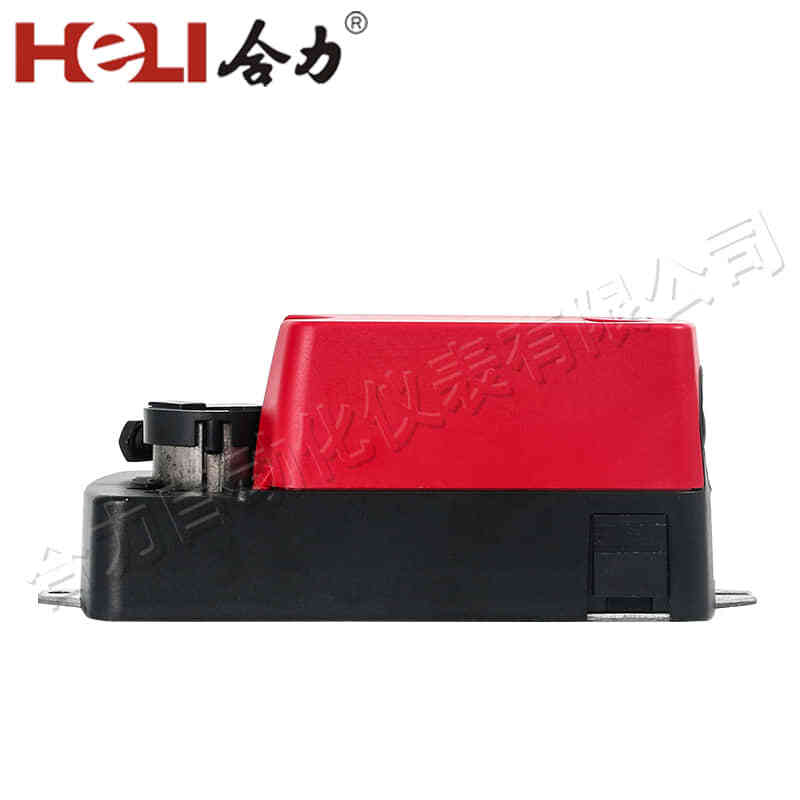
A damper actuator is a mechanical or electrical device that operates dampers in HVAC systems. Dampers themselves are movable plates or blades within ducts that control the volume and direction of airflow. The actuator adjusts these dampers either by rotating or pushing them to open or close to specific positions based on the requirements of the system. Depending on the design, damper actuators can use different power sources, such as electric motors, pneumatic pressure, or hydraulic systems. Types of Damper Actuators Damper actuators can be categorized into several types based on their power source and application: