Damper actuators are critical devices in heating, ventilation, and air conditioning (HVAC) systems, playing a pivotal role in regulating airflow and maintaining optimal conditions within a building. These actuators are responsible for controlling dampers, which are mechanical devices used to adjust or block the flow of air in ducts or pipes. In this article, we will explore the working principles, types, applications, and benefits of damper actuators, shedding light on their essential contribution to HVAC systems.

What Is a Damper Actuator?
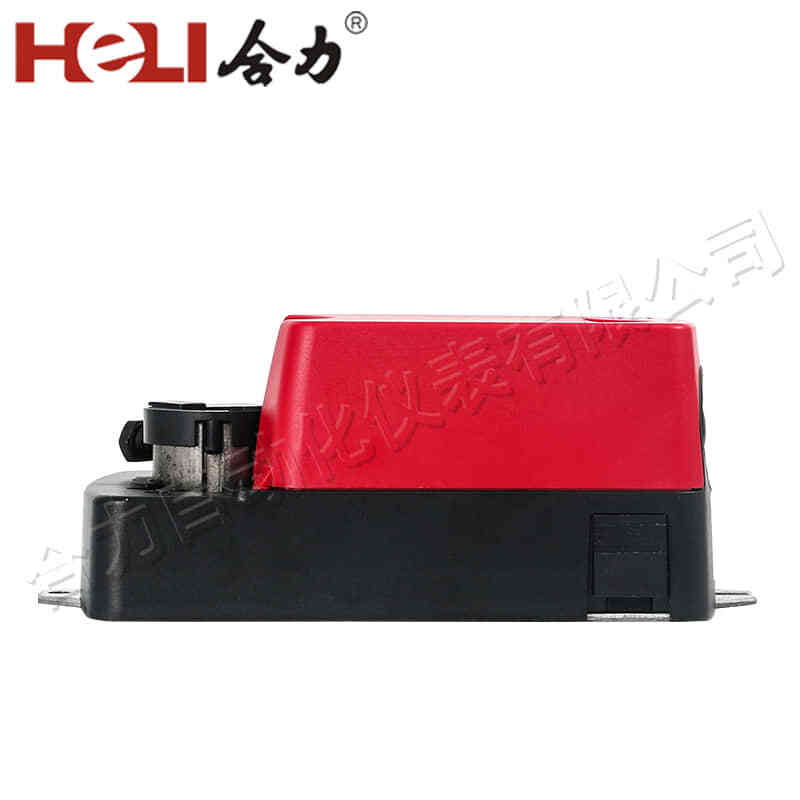
A damper actuator is an electromechanical device that operates the damper within a ventilation system. Dampers, which can be either manually or automatically controlled, are valves or shutters that regulate the flow of air. They are commonly installed in ducts to ensure air is distributed efficiently throughout the system. The actuator is responsible for moving the damper to the desired position based on signals received from a control system. It can open, close, or adjust the damper depending on the needs of the HVAC system. Damper actuators typically consist of an electric motor or pneumatic mechanism that provides the necessary force to move the damper. The actuator receives input from a central control system, which may be a thermostat, a building automation system (BAS), or a sensor monitoring airflow. Based on the data, the actuator adjusts the damper’s position to either increase or decrease airflow in specific zones of the building.
