Damper actuators are vital components in heating, ventilation, and air conditioning (HVAC) systems. These devices are responsible for controlling the movement of dampers, which regulate airflow within a ventilation duct. By adjusting the damper position, damper actuators help maintain the desired indoor climate, optimize energy consumption, and ensure that air distribution is even and efficient. This article explores the function, types, and applications of damper actuators, as well as their importance in modern HVAC systems.
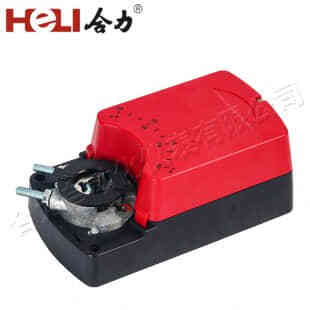
What is a Damper Actuator?
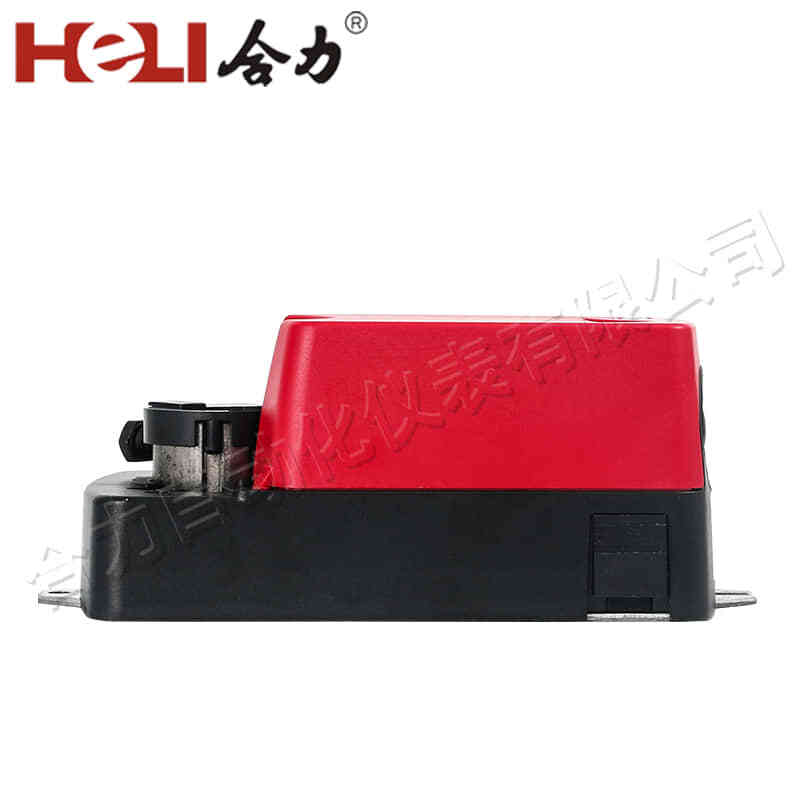
A damper actuator is an electro-mechanical device designed to open, close, or modulate the position of a damper. Dampers are essentially movable barriers within a ductwork system that regulate the flow of air. These actuators receive control signals from a building’s control system or thermostat and translate those signals into mechanical movement that adjusts the damper position accordingly. The precise control of dampers allows HVAC systems to adjust airflow, pressure, and temperature in various parts of a building, which is crucial for both comfort and energy efficiency. Types of Damper Actuators
Leave a Reply