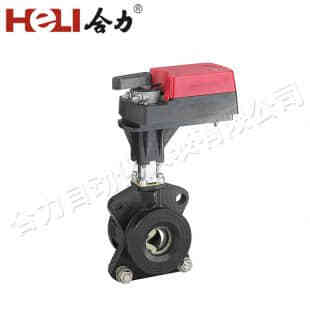
Damper actuators are integral components in various mechanical systems, particularly in the fields of HVAC (Heating, Ventilation, and Air Conditioning) and industrial automation. These actuators control the movement of dampers, which are devices that regulate air or fluid flow. By adjusting the damper’s position, they help maintain desired environmental conditions, such as airflow, temperature, and pressure. This article will explore the types, functions, and applications of damper actuators, highlighting their crucial role in optimizing system efficiency and performance.
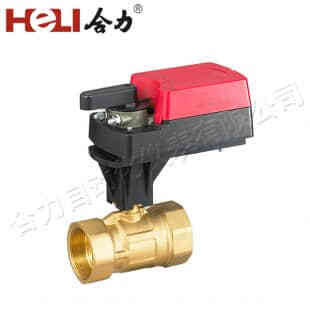
What is a Damper Actuator?
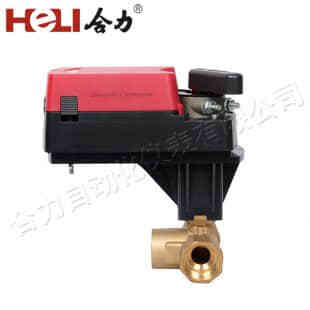
A damper actuator is a mechanical device that drives the opening or closing of a damper, which is a movable barrier used to control airflow in ducts or pipes. Depending on the system’s design, the actuator can receive electrical, pneumatic, or hydraulic signals, translating them into motion to adjust the damper’s position. The actuator ensures that the damper responds accurately to control signals, maintaining the required airflow, temperature, or pressure within the system. Types of Damper Actuators Electric Damper Actuators: These actuators are the most common in modern HVAC systems. They use electric motors to drive the damper. Electric actuators offer precise control and are suitable for systems that require fine-tuned adjustments. They are often employed in residential, commercial, and industrial HVAC systems for regulating airflow, temperature, and humidity levels.