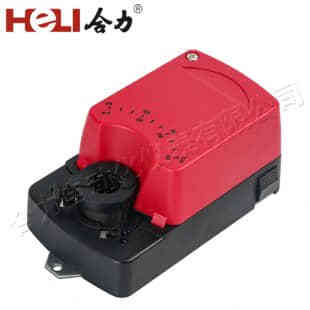
Damper actuators are crucial devices used in heating, ventilation, and air conditioning (HVAC) systems, as well as other industrial applications, to regulate airflow, temperature, and pressure. These actuators provide an essential function in maintaining a balance in air distribution systems, ensuring that energy use is optimized, and that the environment within a space is comfortable and consistent. This article delves into the role, types, working principles, and applications of damper actuators.
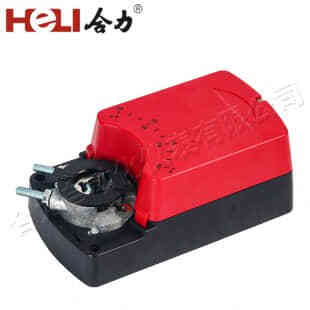
What Is a Damper Actuator?
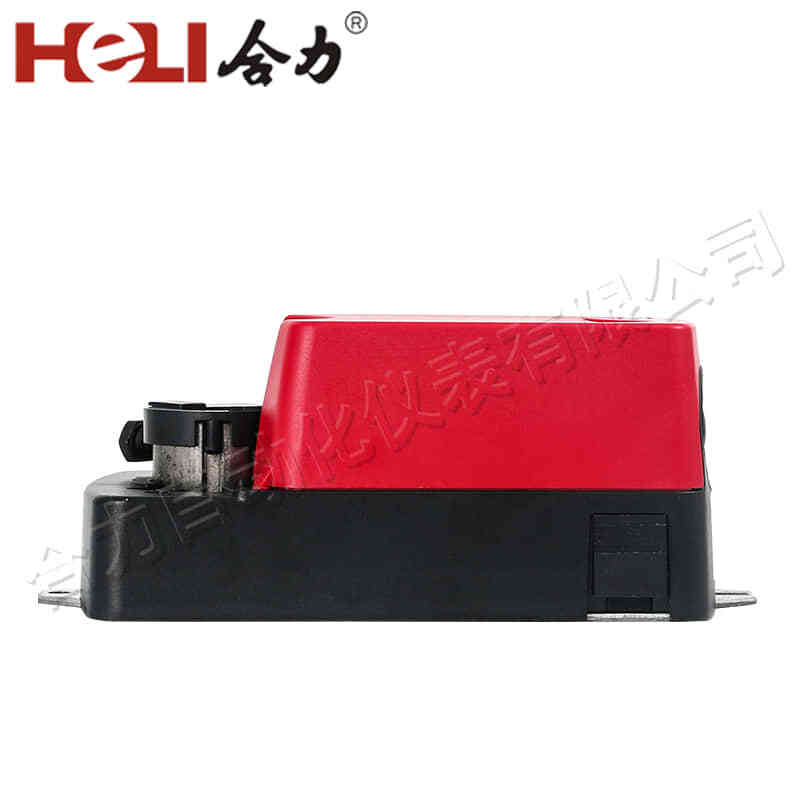
A damper actuator is an electromechanical or pneumatic device designed to operate a damper in an air or gas flow system. Dampers are used to control the airflow in ductwork systems, regulating the amount of air passing through specific sections of the system. The damper actuator controls the position of the damper, ensuring that it opens, closes, or adjusts to a specified angle depending on the system’s requirements. This functionality is vital in HVAC systems for maintaining indoor comfort, as it helps regulate temperature, humidity, and airflow. Types of Damper Actuators Damper actuators are classified based on the type of energy they use to operate. The main types are: