In the realm of modern HVAC (Heating, Ventilation, and Air Conditioning) systems, the damper actuator plays a crucial role in ensuring optimal airflow management and efficient temperature regulation. These devices, which serve as the brains behind the control of air dampers, have become increasingly sophisticated and integral to building automation and environmental management. This article delves into the functionality, types, applications, and advantages of damper actuators.
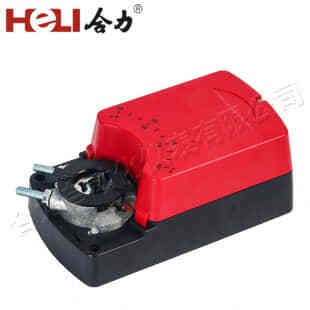
What is a Damper Actuator?
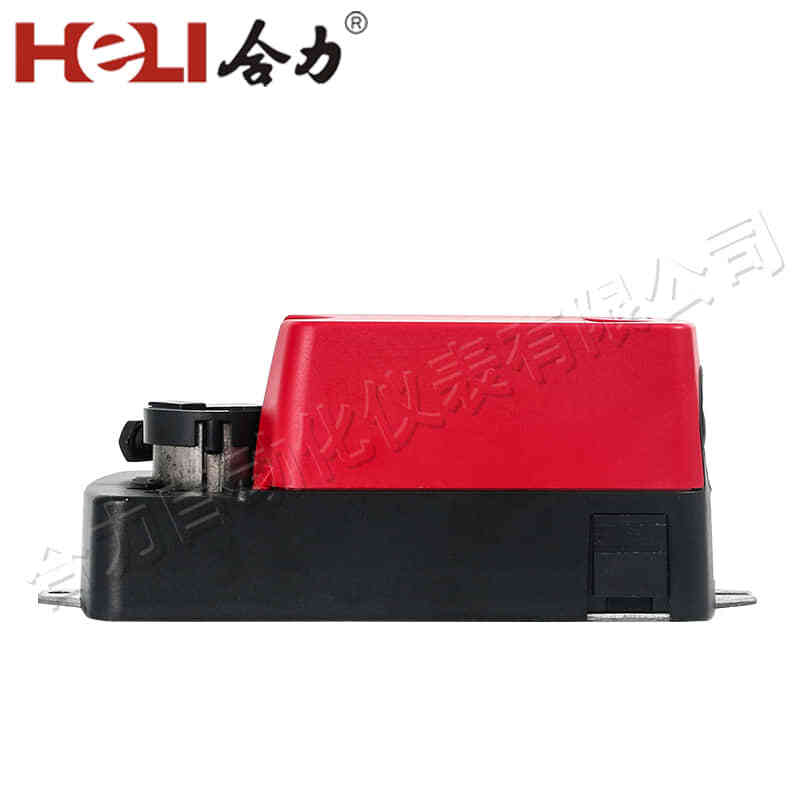
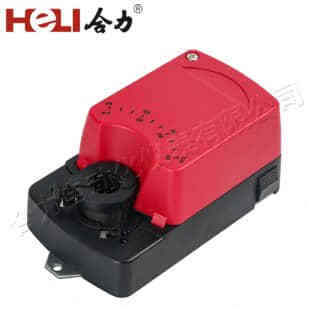
A damper actuator is a mechanical device that controls the opening and closing of dampers in air distribution systems. Dampers are flaps or valves that are used to regulate airflow within a ducting system, allowing for the adjustment of air volume, pressure, and temperature. Damper actuators can be powered either electrically, pneumatically, or manually, depending on the specific requirements of a system. How Does a Damper Actuator Work? The primary function of a damper actuator is to respond to signals from a control system or thermostat. When the temperature or airflow deviates from set parameters, the control system sends a signal to the damper actuator, prompting it to adjust the damper’s position. This adjustment can either increase or decrease airflow, facilitating better climate control in the environment whether it’s an office building, home, or industrial facility.
Leave a Reply