A Current Overload Relay (COR) is an essential protective device widely used in electrical systems to safeguard motors and other electrical equipment from damage caused by excessive current. It is designed to detect an overcurrent situation and disconnect the electrical supply to prevent overheating, damage, or even failure of the equipment. The COR plays a crucial role in ensuring the longevity and reliability of electrical machinery, especially in motors that are susceptible to overload conditions.
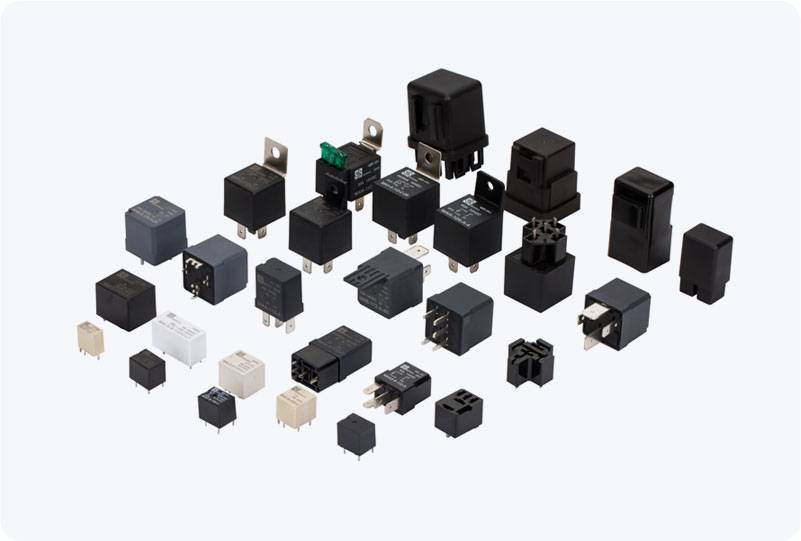
What is a Current Overload Relay? A Current Overload Relay works by monitoring the current flowing through the motor or other electrical equipment. The relay detects when the current exceeds the preset threshold, which could indicate an overload situation. Once an overload is detected, the relay will trip, interrupting the power supply and preventing further damage to the equipment. This interruption is crucial for preventing the motor from burning out due to excessive current. How Does It Work? The basic working principle of a Current Overload Relay is simple yet highly effective. It continuously monitors the operating current of the device it protects. When the current surpasses the rated capacity of the motor or equipment, it signals that the motor is under stress, which could lead to overheating and mechanical failure. At this point, the overload relay trips and breaks the electrical circuit, shutting down the motor.