Communication relay systems are an essential part of modern telecommunications, ensuring that data, voice, and video signals can travel long distances without loss or degradation in quality. These systems, which act as intermediaries to boost and forward signals, play a critical role in various industries, from broadcasting to satellite communications, and are crucial for maintaining reliable connections across vast networks. This article explores the fundamentals of communication relay, its applications, and how it works to support communication systems.
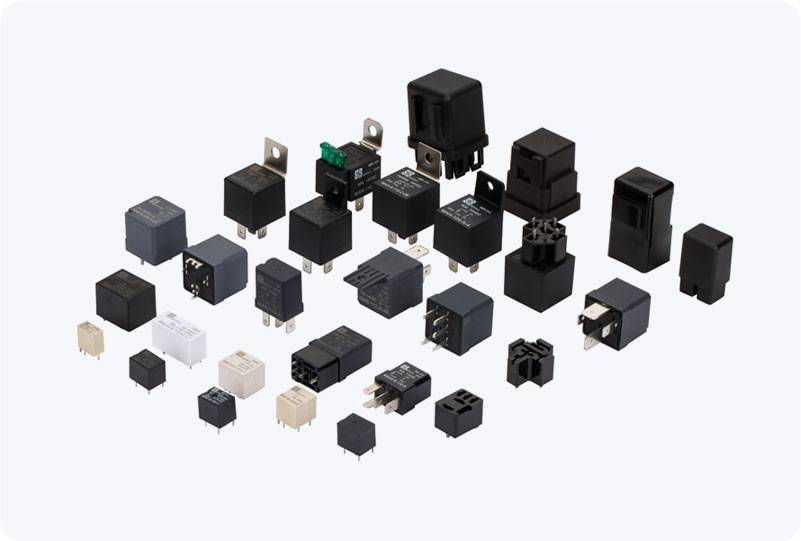
What is a Communication Relay? A communication relay is a device or system that receives, amplifies, and retransmits a signal to extend its reach or enhance its quality. Essentially, it “relays” the communication from one point to another, overcoming physical and technical barriers such as distance, interference, or signal attenuation. This process is essential in scenarios where direct communication between two parties is not feasible due to obstacles like mountains, oceans, or other geographic features. Relays can be found in various forms, depending on the medium of communication. They are most commonly used in radio communications, satellite systems, and computer networks, where the distances between communication endpoints are often too great for direct transmission.