In the digital age, the communication relay has become an essential component of various communication networks, impacting how data is transmitted across vast distances. A communication relay, typically used in both wired and wireless networks, operates by receiving signals and retransmitting them, ensuring effective communication between devices that may be too far apart for direct communication. This article explores the concept of communication relays, their applications, benefits, and challenges, contributing to our understanding of their vital role in modern connectivity.
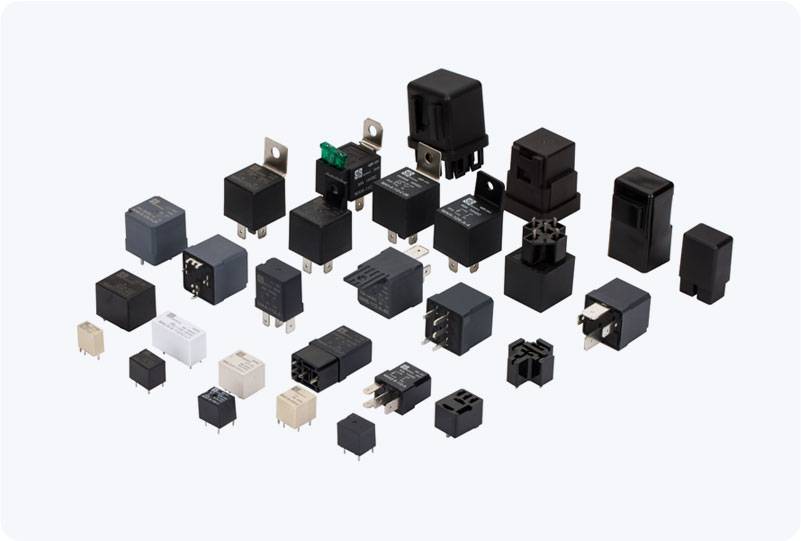
What is a Communication Relay? A communication relay is a device or a node within a network that serves as an intermediary, facilitating the transfer of information between two or more devices. Relays can operate on different layers of communication protocols and can be utilized in various forms, such as radio repeaters, fiber optic amplifiers, and even internet routers. Their primary purpose is to boost signal strength, extend communication range, or convert communication formats between incompatible systems. Importance of Communication Relays Signal Amplification: As signals travel over long distances, they tend to weaken due to attenuation and interference. Communication relays amplify these signals, ensuring that they maintain their integrity during transmission. This amplification is crucial in scenarios where direct connection is not feasible, such as in rural areas or across large urban spaces.