A cold water solenoid valve is an essential device used to control the flow of cold water in various applications, including household appliances, irrigation systems, and industrial processes. This article aims to provide a comprehensive understanding of what a cold water solenoid valve is, how it works, its applications, and the proper maintenance practices to ensure optimal performance.
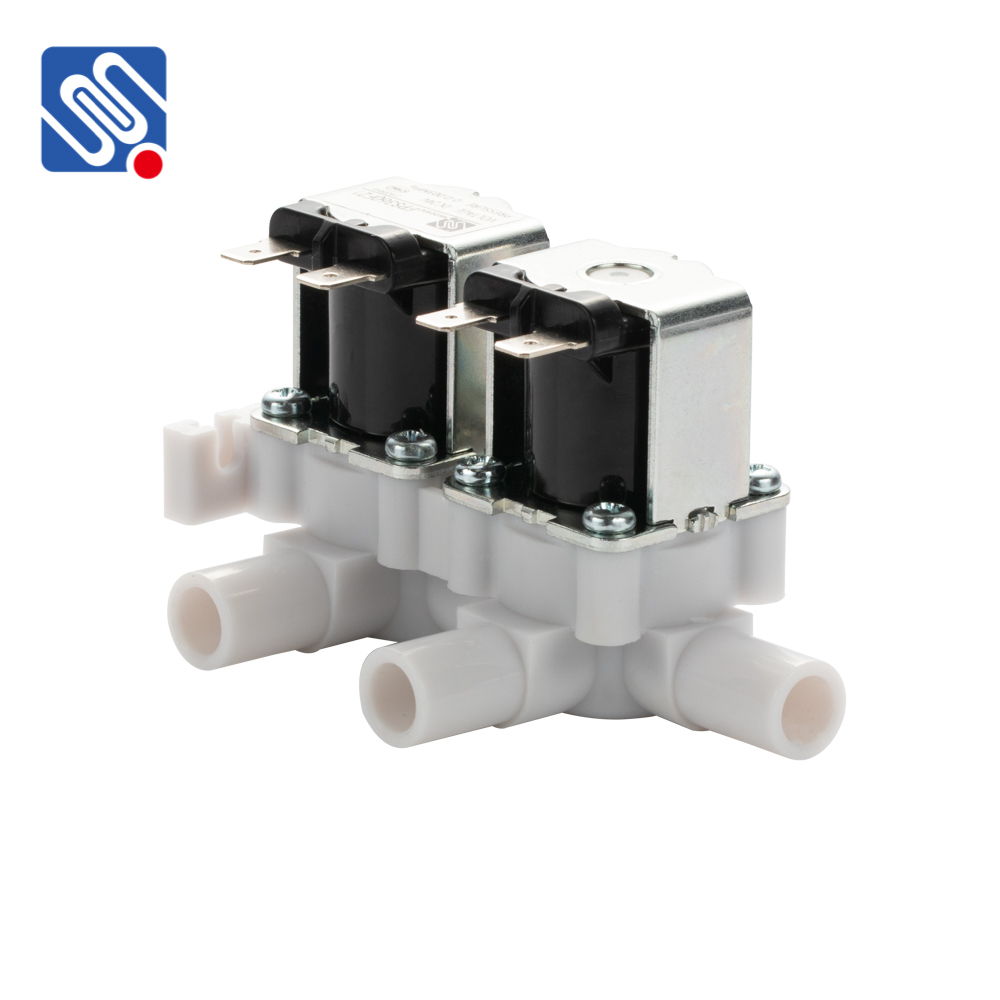
What is a Cold Water Solenoid Valve? A cold water solenoid valve is an electromechanical device that operates by using an electromagnetic coil to open or close a valve, thereby regulating the flow of cold water through a system. These valves are typically made of materials such as plastic or metal, specifically designed to withstand the conditions of cold water applications. They come in different configurations, including normally closed (NC) and normally open (NO) types, which dictate their operational behavior based on whether they are energized or de-energized. How Does It Work? The functionality of a cold water solenoid valve is based on simple electromagnetic principles. When electrical power is supplied to the solenoid coil, it generates a magnetic field that pulls a plunger or armature, allowing the valve to open. Conversely, when the power is turned off, the spring mechanism pulls the plunger back to its original position, closing the valve. This on-and-off action allows the valve to control the flow of water automatically, making it an efficient component for various applications.