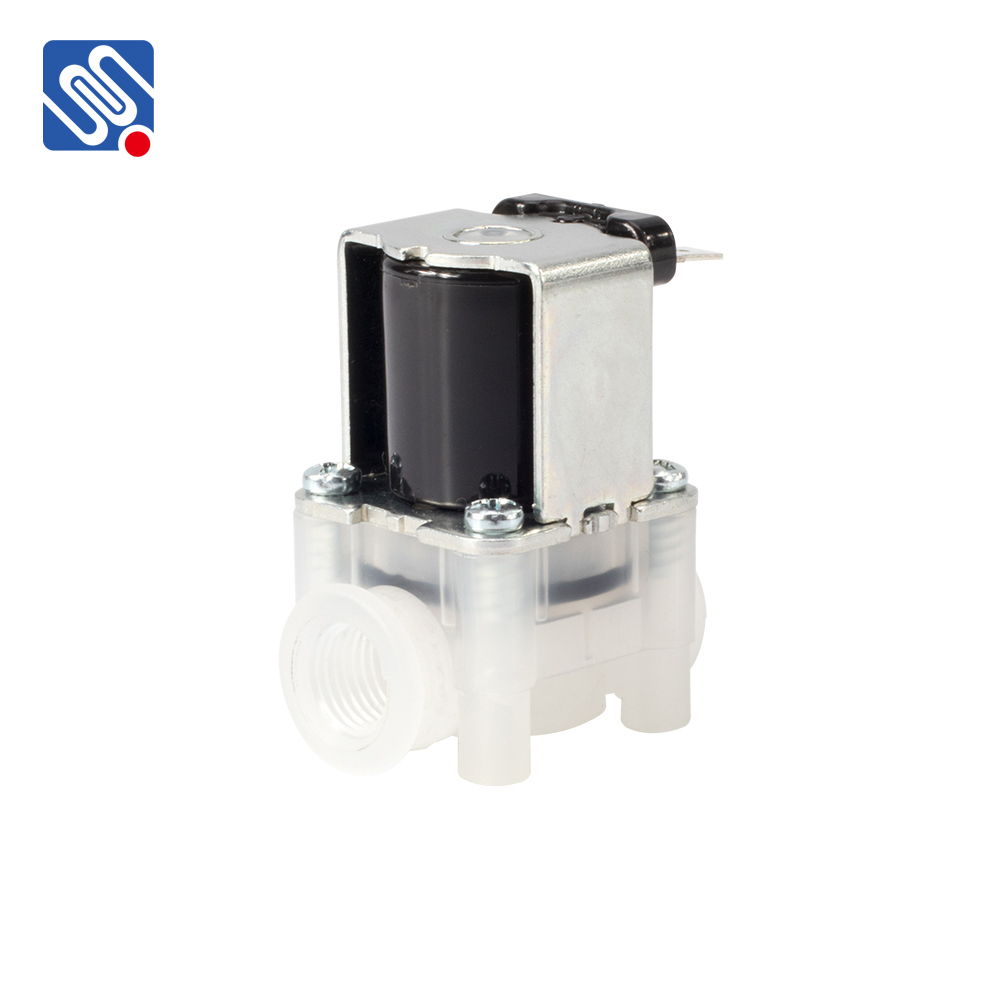
In the ever-evolving landscape of industrial automation, solenoid valves play a crucial role in controlling the flow of gases, liquids, and steam. These electromechanical devices, powered by electromagnetic forces, are widely used in various sectors, including manufacturing, automotive, medical, and HVAC systems. With increasing global focus on environmental sustainability and safety, manufacturers of solenoid valves in China are increasingly aligning their products with international standards. One such standard is RoHS (Restriction of Hazardous Substances), which regulates the use of certain hazardous materials in electrical and electronic equipment. This article explores the importance of China RoHS Certified Solenoid Valve Manufacturers, their role in global compliance, and the benefits of RoHS certification.
What is RoHS Certification? RoHS, or Restriction of Hazardous Substances, is a directive originally established by the European Union (EU) in 2003. The RoHS directive restricts the use of six hazardous materials in the manufacturing of various types of electronic and electrical products. These materials include: Lead (Pb) Mercury (Hg) Cadmium (Cd) Hexavalent chromium (Cr6+) Polybrominated biphenyls (PBB) Polybrominated diphenyl ethers (PBDE) RoHS certification ensures that solenoid valves and other electronic devices contain no more than a specified amount of these substances. This is important not only for the environment but also for consumer safety, as exposure to these chemicals can lead to serious health problems and environmental pollution.