In today’s rapidly advancing technological world, the demand for high-quality, reliable, and environmentally-friendly electronic components is more pressing than ever. Among these components, relays play a critical role in various electrical circuits and devices. One specific type of relay that is gaining significant attention is the CE ROHS Certified Relay. This certification ensures that the relay complies with stringent European Union (EU) regulations regarding safety, health, and environmental protection. In this article, we will explore what CE and ROHS certifications mean, why they are important, and how they benefit both manufacturers and end-users.
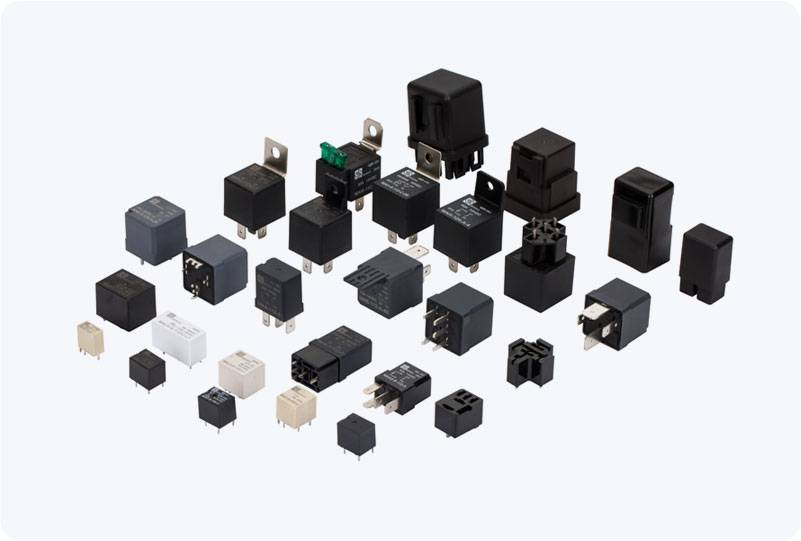
What is a CE Certified Relay? The CE (Conformité Européenne) certification is a mandatory marking that indicates a product’s compliance with EU safety, health, and environmental requirements. When a relay carries the CE mark, it means the product meets the standards set by the EU for its intended use. This certification is crucial for products sold in the European Economic Area (EEA), which includes all EU countries and other member states of the European Free Trade Association (EFTA). For a relay to be CE certified, it must undergo a series of tests to ensure its compliance with various EU directives. These tests generally cover electromagnetic compatibility (EMC), low-voltage electrical safety, and environmental protection. The CE mark assures customers that the relay is safe for use, does not emit harmful electromagnetic interference, and will not endanger human health or the environment under normal operating conditions.