In modern automotive engineering, understanding the various car relay types is essential for anyone involved in vehicle maintenance, modifications, or electronics. Relays play a critical role in controlling high-current circuits with lower-current signals, thus facilitating the efficient operation of various electrical components in a vehicle. This article will delve into the different types of car relays, their applications, and how they function.
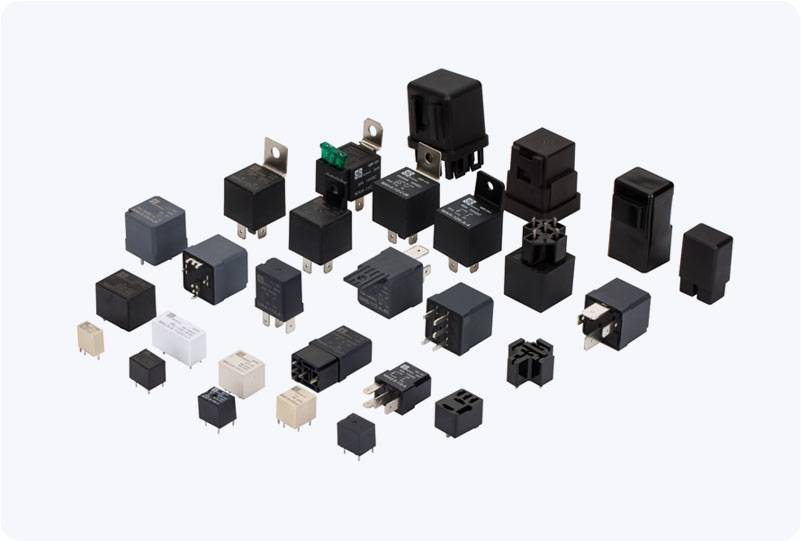
What is a Relay? A relay is an electromechanical switch that opens and closes circuits electronically or electromechanically. In the context of automobiles, relays are used to control high-power devices like headlights, fuel pumps, power windows, and more, using lower power signals from the vehicle’s electronic control units (ECUs). Car relays ensure that small switches can activate larger circuits without being directly subjected to high voltages or currents. Types of Car Relays 1. Electromagnetic Relays The most common type found in vehicles, electromagnetic relays, use electromagnetic coils to open and close switches. When an electric current flows through the coil, it creates a magnetic field that attracts a movable armature, consequently closing the contacts in the circuit. These relays are versatile and can handle significant electrical loads, making them ideal for most automotive applications.