Relays are an integral part of modern automotive electrical systems, playing a crucial role in ensuring the proper functioning of various vehicle components. A relay is essentially an electrically operated switch that allows low-power circuits to control high-power devices. In the context of cars, relays are used to control everything from lights to motors, helping to manage the complex array of systems in today’s vehicles. Understanding the different types of relays used in cars can help in diagnosing electrical issues and ensuring the safety and efficiency of the vehicle’s electrical setup. In this article, we will explore the main types of car relays and their specific applications.
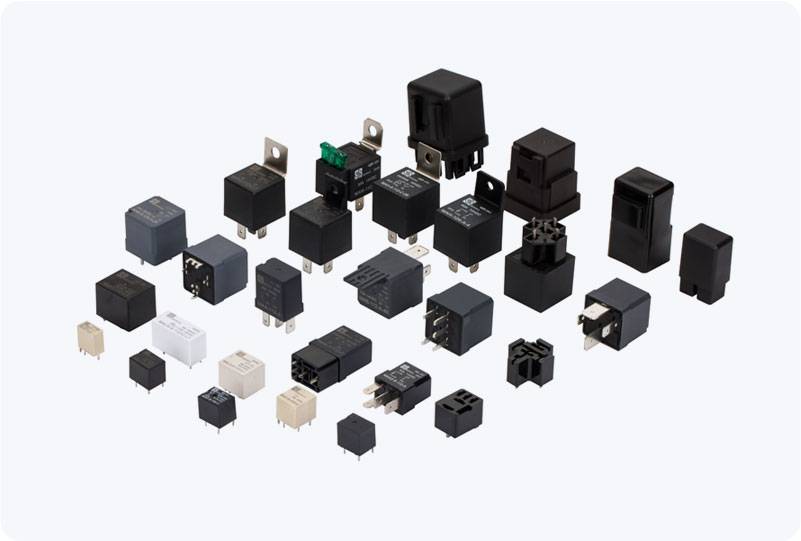
1. Standard Relays (SPST) The most common type of relay used in cars is the Single Pole Single Throw (SPST) relay. This relay has a single input and a single output, and its primary function is to either open or close the circuit, depending on the state of the relay. When the relay is energized, it allows current to flow through the circuit; when de-energized, it breaks the circuit, stopping the flow of current. Application: SPST relays are typically used in applications like controlling lights, horns, or small motors. These simple relays are ideal for on/off control tasks in vehicles.