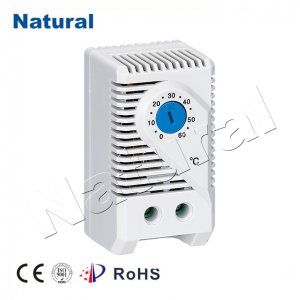
In the modern world, effective temperature control is vital for various applications, ranging from household refrigerators to specialized laboratory equipment. One of the key components enabling precise temperature regulation in enclosed spaces is the cabinet thermostat. This article explores the functions, applications, benefits, and considerations involved in using cabinet thermostats, elucidating their importance in maintaining optimal conditions for temperature-sensitive environments.
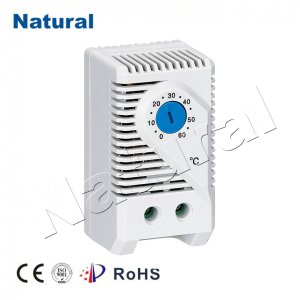
What is a Cabinet Thermostat?
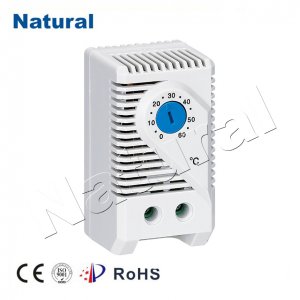
A cabinet thermostat is an electronic device designed to monitor and regulate the temperature inside an enclosed space or cabinet. It employs a temperature sensor to gauge the internal temperature and, upon reaching a predetermined threshold, activates or deactivates a heating or cooling mechanism. This process ensures that the temperature remains within a specified range, providing a stable environment for various applications. Functionality of Cabinet Thermostats Cabinet thermostats operate through a straightforward yet effective mechanism. They typically consist of three primary components: a temperature sensor, a control unit, and an actuator.