In modern buildings, efficient management of water supply systems is essential for both residential and commercial settings. One critical component of this infrastructure is the Building Water Supply Solenoid Valve. These devices play a crucial role in controlling the flow of water, ensuring that systems operate smoothly and effectively. This article explores the functionality, applications, and benefits of Building Water Supply Solenoid Valves, highlighting their importance in water management.
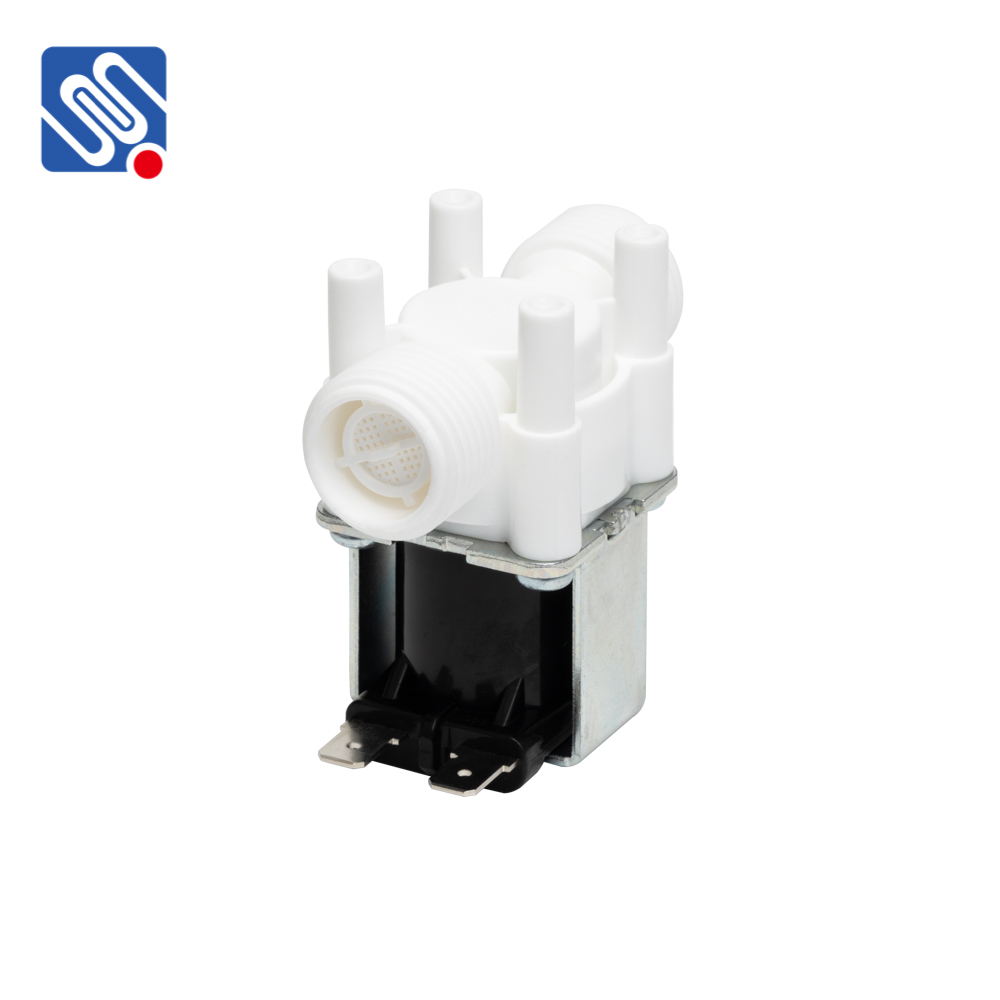
What is a Solenoid Valve? A solenoid valve is an electromechanical device used to control the flow of liquids or gases in a system. It operates through an electromagnetic coil that opens or closes the valve based on the presence or absence of an electric current. The primary mechanism involves a plunger that moves in response to the magnetic field generated when electricity is applied. There are two main types of solenoid valves: normally closed (NC) and normally open (NO). In NC valves, the flow is shut off by default and opens when voltage is applied, while NO valves allow flow until electrified, closing the path.