In today’s rapidly evolving world of electronics and automation, energy efficiency and reliability are more important than ever. Bistable relays, also known as latching relays, are becoming increasingly popular in various applications due to their unique ability to maintain a stable state without continuous power. This article aims to explore the fundamentals of bistable relays, their working principle, and the advantages they offer in modern electrical systems.
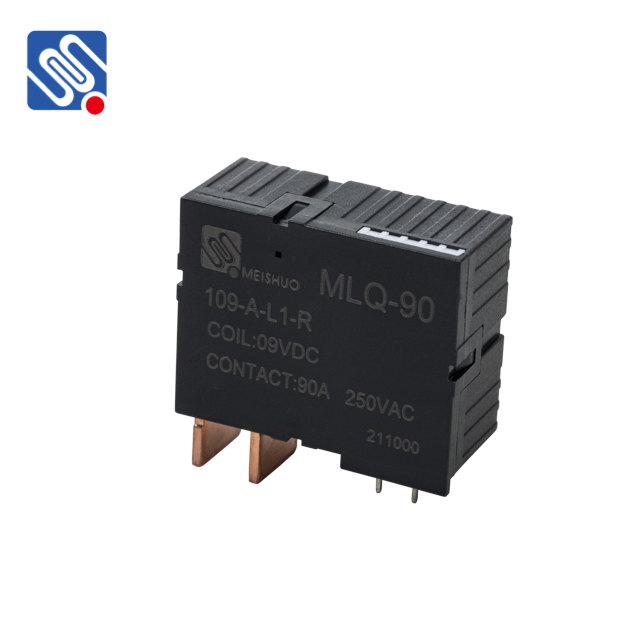
What is a Bistable Relay? A bistable relay is an electromagnetic switching device that can exist in two stable states. Unlike conventional relays, which require a constant flow of current to maintain a particular state (either ON or OFF), bistable relays “latch” into one of the two positions and stay there without needing continuous power. This feature is what gives bistable relays their distinct advantage in reducing power consumption. The bistable relay has two primary stable states: one where the relay is engaged (ON state) and the other where it is disengaged (OFF state). The relay switches between these two states when a trigger signal is applied, but once it switches, it remains in its new position until another trigger signal is received. The relay can switch states even when power is removed, which makes it ideal for applications where maintaining a stable state over time is critical.
Leave a Reply