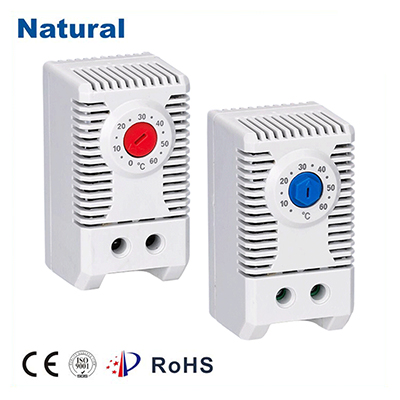
A bimetal thermostat is an essential component in various mechanical and electrical systems, playing a crucial role in regulating temperatures and ensuring safety. This device uses the principle of thermal expansion, where two different metals are bonded together and respond differently to heat. As the temperature changes, the bimetal strip bends, activating or deactivating a switch that controls the system’s operation. While bimetal thermostats are used in a wide range of applications, one key material that enhances their performance and durability is Nitel, a specific alloy that is often employed in these devices.
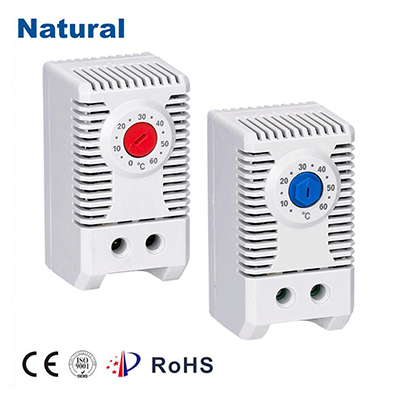
The Basics of Bimetal Thermostats
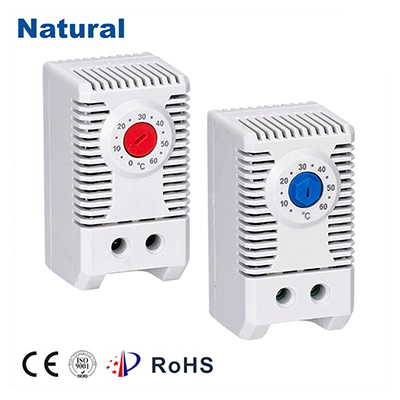
A bimetal thermostat operates by utilizing two different metals with differing coefficients of thermal expansion. When the temperature rises, one metal expands faster than the other, causing the bimetal strip to bend. This bending action is designed to trigger or interrupt a circuit, controlling the operation of heating or cooling systems. Bimetal thermostats are widely used in applications such as household appliances, industrial machinery, automotive systems, and even temperature-sensitive safety devices. These thermostats are designed to respond to specific temperature thresholds, making them ideal for systems that require automatic regulation. For example, in a home heating system, the thermostat will ensure that the system turns off once a desired temperature is reached, preventing overheating and potential damage. The simplicity and effectiveness of bimetal thermostats make them a reliable and cost-effective solution for temperature control.