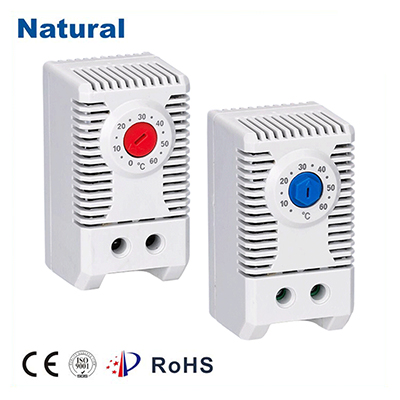
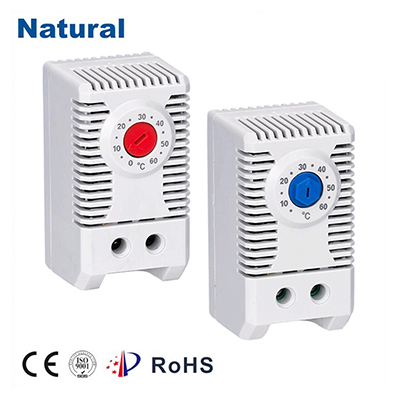
A bimetal thermostat thermostat is a type of temperature control device that leverages the unique properties of two dissimilar metals to regulate temperature within a system. These thermostats are widely used in various industrial and household applications, including electrical appliances, automotive systems, and HVAC systems. In this article, we will explore the working principles of bimetal thermostats, their applications, and the benefits they offer.
Principle of Operation

At the heart of a bimetal thermostat lies the fundamental principle of thermal expansion. When two metals with different coefficients of expansion are bonded together, they will bend or curl in response to temperature changes. This bending is the result of one metal expanding or contracting more than the other as the temperature increases or decreases. A typical bimetal thermostat consists of a bimetallic strip, which is made from two layers of metal, usually steel and copper or brass and aluminum. The metal strips are carefully chosen because of their distinct thermal expansion rates. As the temperature rises, one metal expands more than the other, causing the strip to bend.