Automotive relays play a critical yet often underappreciated role in the functionality of modern vehicles. These small, electromechanical devices serve as automated switches that help control various electrical components, ensuring a smoother, safer, and more efficient driving experience. In this article, we will explore what automotive relays are, their types, functions, and applications, as well as how they contribute to the overall performance of a vehicle’s electrical system.
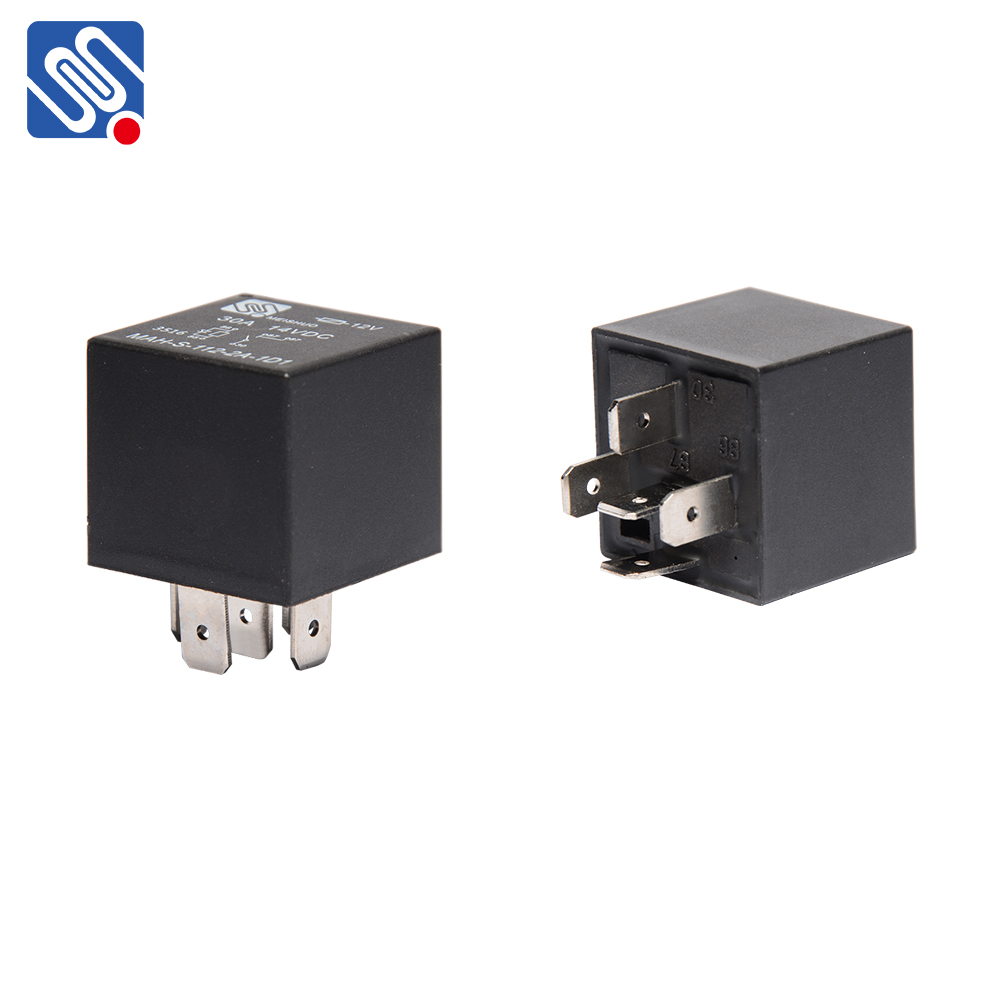
What is an Automotive Relay? An automotive relay is an electrical switch that is operated by an electromagnet. It allows a low-power circuit to control a high-power circuit without the need for direct electrical contact between the two. The fundamental principle behind a relay is that when a small current flows through its coil (the low-power circuit), it generates a magnetic field that mechanically closes or opens contacts in the relay (the high-power circuit). This action enables the control of larger electrical loads, making relays indispensable in automotive design. Types of Automotive Relays