Automotive relays are integral components in modern vehicles, responsible for controlling electrical circuits through low-power signals. They help manage high-current systems, such as lighting, power windows, and air conditioning, by using an electromagnetic coil to open or close contacts. The specifications of automotive relay coils play a crucial role in ensuring the reliable operation and longevity of these relays in the demanding automotive environment. In this article, we will explore the key specifications of automotive relay coils, including their voltage, resistance, power consumption, and durability, to understand how they contribute to vehicle performance.
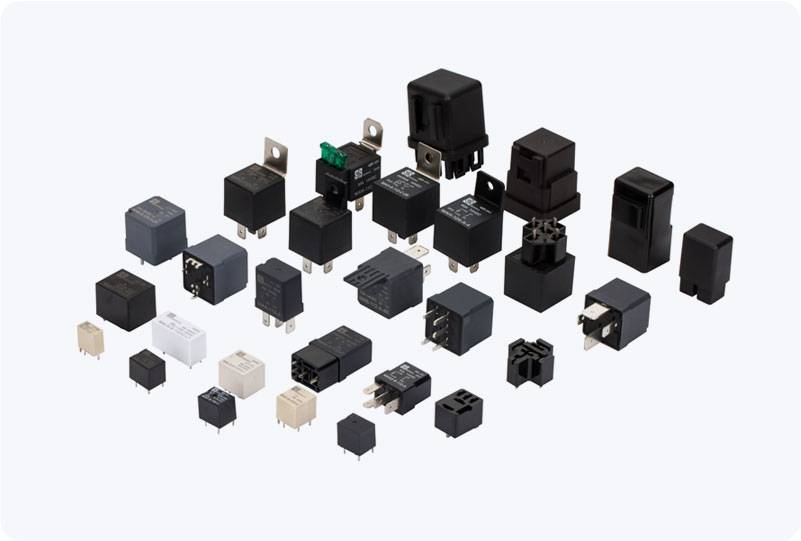
1. Coil Voltage: Matching Vehicle Electrical Systems One of the most important specifications of an automotive relay coil is the coil voltage. This is the voltage required to energize the relay and activate its switching mechanism. Automotive electrical systems typically operate on 12V or 24V DC, depending on the type of vehicle. For passenger vehicles, 12V DC relays are the most common, as they align with the 12V electrical system typically found in cars, trucks, and motorcycles. Commercial vehicles, such as buses and heavy-duty trucks, often use 24V DC relays to match their higher voltage systems. Selecting the appropriate coil voltage ensures that the relay functions optimally, preventing potential damage to the coil or the system it controls.