Automotive relays play a crucial role in controlling electrical circuits within a vehicle, helping manage everything from lighting and engine systems to comfort features like windows and air conditioning. At the heart of every relay is its coil, an essential component that controls the opening and closing of the relay’s switch. In this article, we will explore the key specifications of automotive relay coils, the factors that affect their performance, and how to ensure that they meet the required standards for automotive applications.
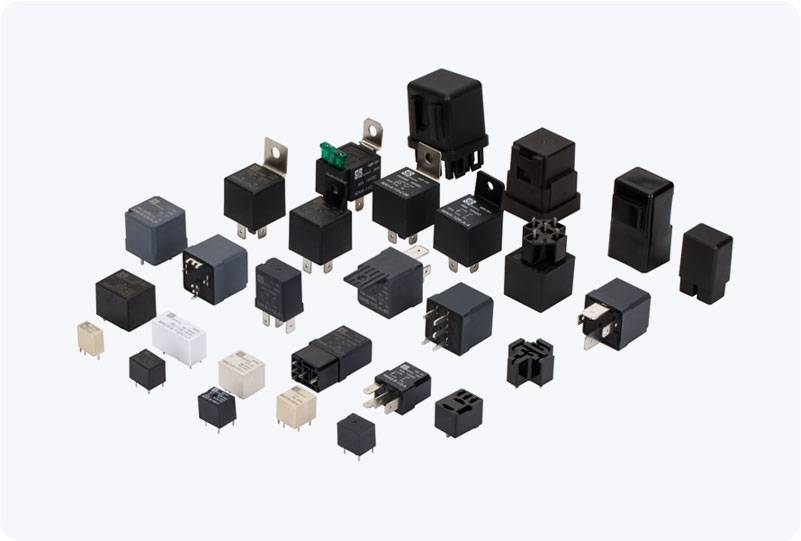
What is an Automotive Relay Coil? An automotive relay coil is an electromagnet used to control the flow of electrical current in a vehicle’s electrical system. When a voltage is applied to the coil, it generates a magnetic field, which activates the relay’s switch mechanism. This allows the relay to control high-power devices or circuits by using a lower-power control signal. The coil is typically wound from copper wire and is encased in a protective material to prevent damage from external factors such as heat, moisture, and vibration. Key Specifications of Automotive Relay Coils
Coil Voltage