Automotive relays are fundamental components in vehicles that ensure the efficient functioning of electrical systems. While they might not be the most glamorous feature of a car, their role is crucial in the reliable operation of numerous electrical devices. This article explores the significance, working principles, types, applications, and maintenance of automotive relays.
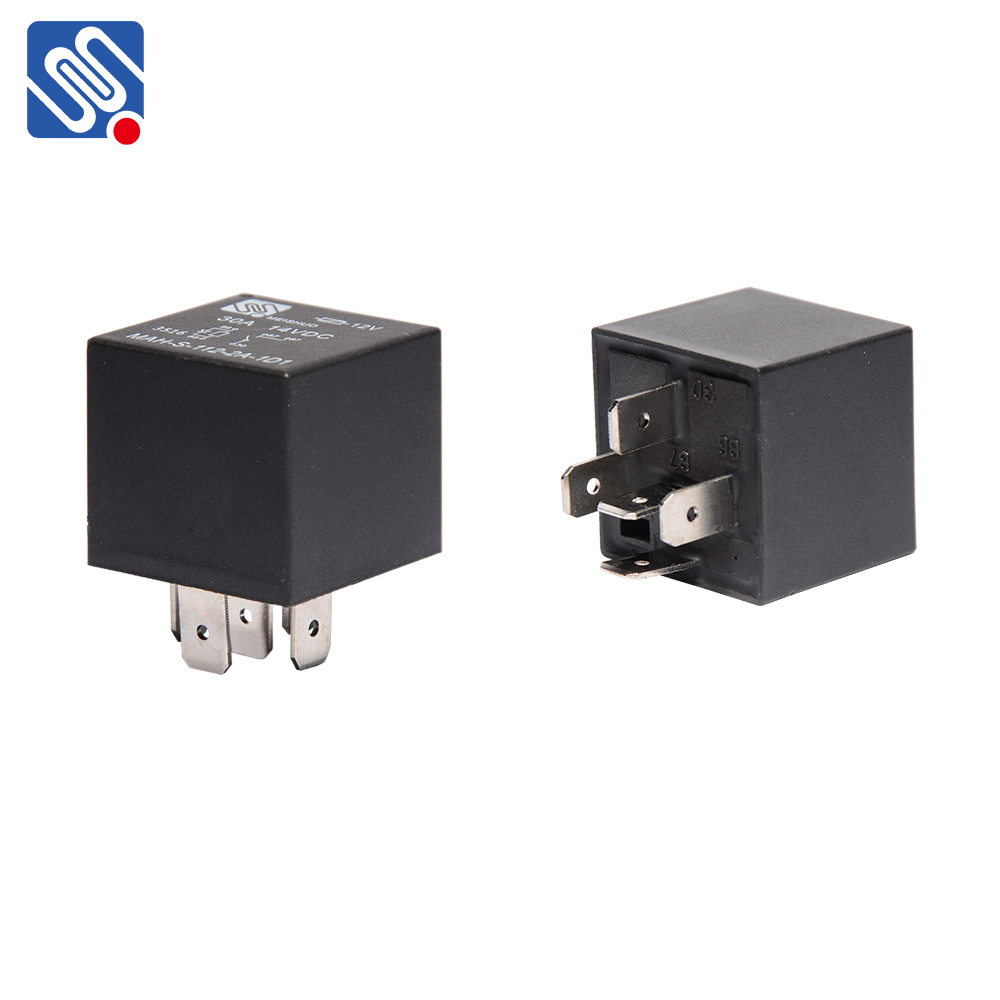
What is an Automotive Relay? An automotive relay is an electrically operated switch that utilizes an electromagnetic coil to control the flow of current to various components in a vehicle. With the advancements in automotive technology, these relays have become increasingly complex, featuring various designs and functionalities. Their primary purpose is to manage high-powered electrical loads by allowing low-powered control signals to initiate larger operations, thereby protecting the vehicle’s delicate and smaller control circuits. Working Principle The basic principle behind an automotive relay is relatively simple. When a small current flows through the coil of the relay, it generates a magnetic field that attracts a movable armature. This armature, upon being attracted, either opens or closes a set of electrical contacts, which then controls the flow of current to a specific component, such as a headlight or fuel pump. This process allows for the safe operation of high-power devices without directly passing high currents through a manual switch, thereby preventing potential damage.