Automation relays are crucial components in modern industrial control systems, enabling efficient automation and ensuring the smooth operation of various electrical devices. In industrial automation, where precision and reliability are paramount, relays serve as intermediaries that help manage complex electrical circuits. This article explores the functions, benefits, and applications of automation relays, providing a comprehensive overview for professionals and enthusiasts in the field.
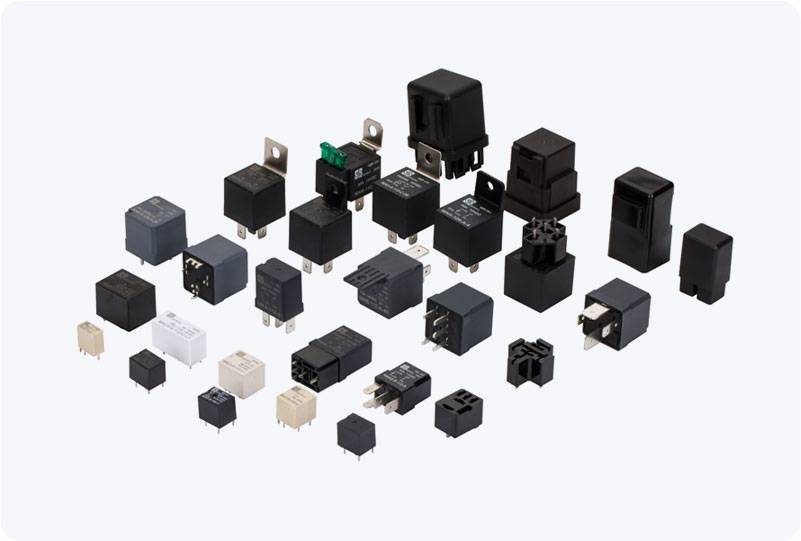
What is an Automation Relay? An automation relay is an electromechanical switch that allows electrical circuits to be opened or closed based on input signals from automation control systems, such as Programmable Logic Controllers (PLCs). These relays can be found in a variety of industrial applications, controlling machinery, lighting, heating systems, or other equipment that needs automated control. The relay’s primary function is to act as an intermediary that transmits low-power control signals to high-power electrical circuits, ensuring that electrical components operate only when needed.