In the realm of modern electrical and electronic systems, the need for reliable and efficient switching devices is paramount. Among the various components that serve this critical function, the AG Alloy Contact Relay stands out for its unique characteristics and advantages. This article aims to delve into the details of AG Alloy Contact Relays, exploring their construction, working principles, applications, and advantages over other relay types.
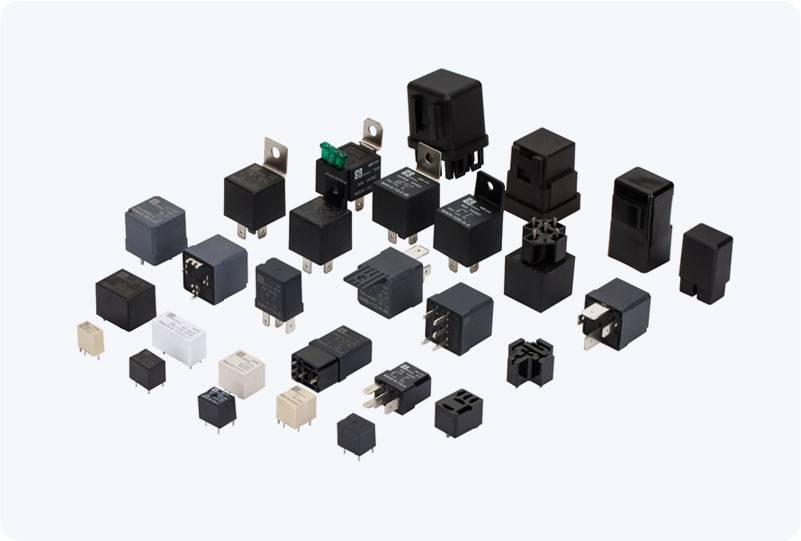
What is an AG Alloy Contact Relay? The AG Alloy Contact Relay is a type of electromagnetic relay that features contacts made from a silver (Ag) alloy. Silver is well-known for its exceptional conductivity and resistance to oxidation, making it an ideal material for relay contacts. The alloying with other metals, such as nickel or cadmium, enhances the mechanical strength and thermal stability of the contacts, resulting in a device that can perform optimally under various operational conditions. Working Principle AG Alloy Contact Relays operate on the principle of electromagnetic induction. When an electric current flows through the coil of the relay, it generates a magnetic field, which causes a movable armature to move. This movement either makes or breaks the circuit by connecting or disconnecting the contacts. The relay can control a larger power circuit using a smaller control signal, thereby amplifying the control signal’s effect.