An AC Solenoid Valve is a crucial component in many industrial and domestic applications, providing efficient and precise control over the flow of fluids, gases, and steam. Operating through the principles of electromagnetism, it has become an integral part of modern automation systems, significantly improving efficiency and reducing manual intervention. In this article, we will explore the working principles, types, and diverse applications of AC solenoid valves.
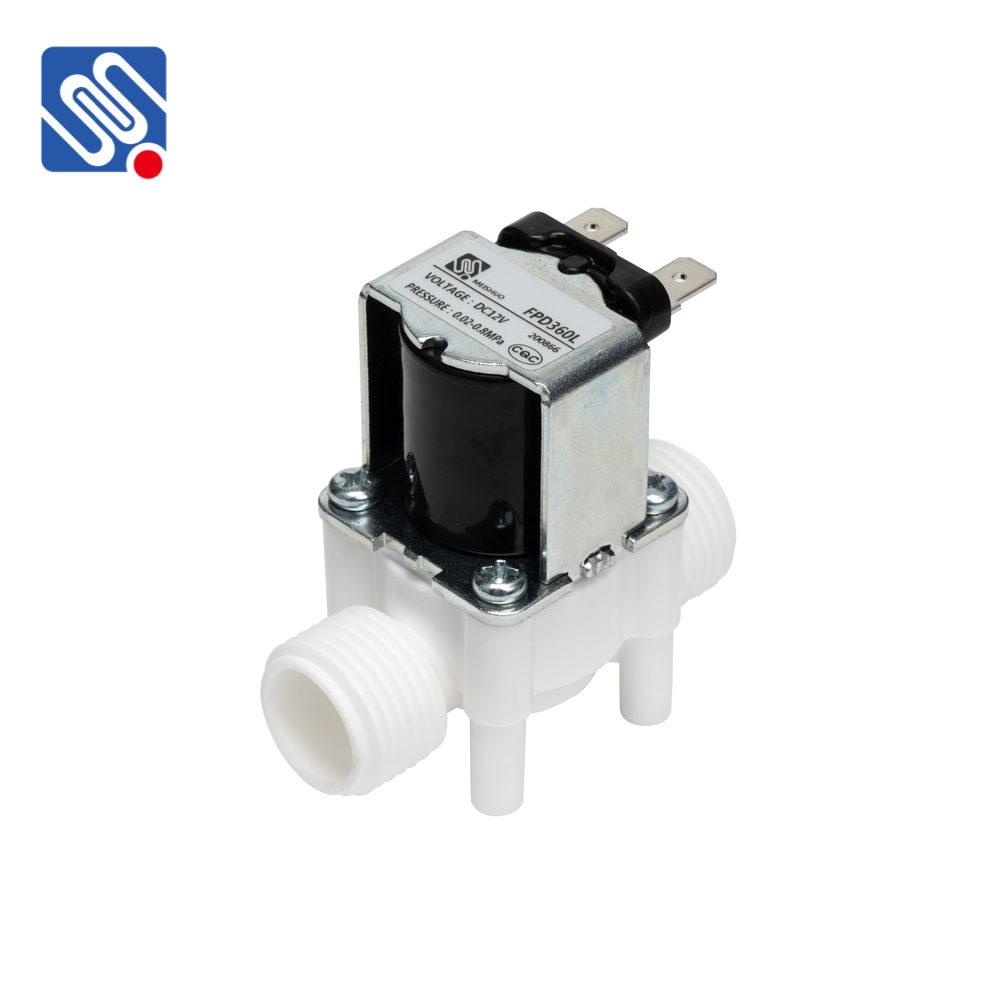
Working Principle of AC Solenoid Valve At the core of the AC Solenoid Valve is a solenoid, a coil of wire through which alternating current (AC) flows. When AC passes through the coil, it generates a magnetic field, which activates the movement of the valve’s plunger or diaphragm. The magnetic field either opens or closes the valve, depending on the configuration, allowing or restricting the flow of fluid, gas, or steam. The magnetic field produced by the coil is directly related to the current’s strength and the design of the solenoid itself. When the current is switched on, the solenoid’s plunger is pulled into the coil, either opening or closing a valve port. When the current is turned off, the plunger returns to its default position, either closing or opening the valve accordingly.