An AC Solenoid Valve is a type of valve operated by an electromagnetic solenoid. It is widely used in various industrial, commercial, and residential applications to control the flow of liquids or gases. This type of valve plays a crucial role in systems that require automated flow regulation. In this article, we will explore the function, working principle, and applications of the AC solenoid valve, highlighting its importance in modern systems.
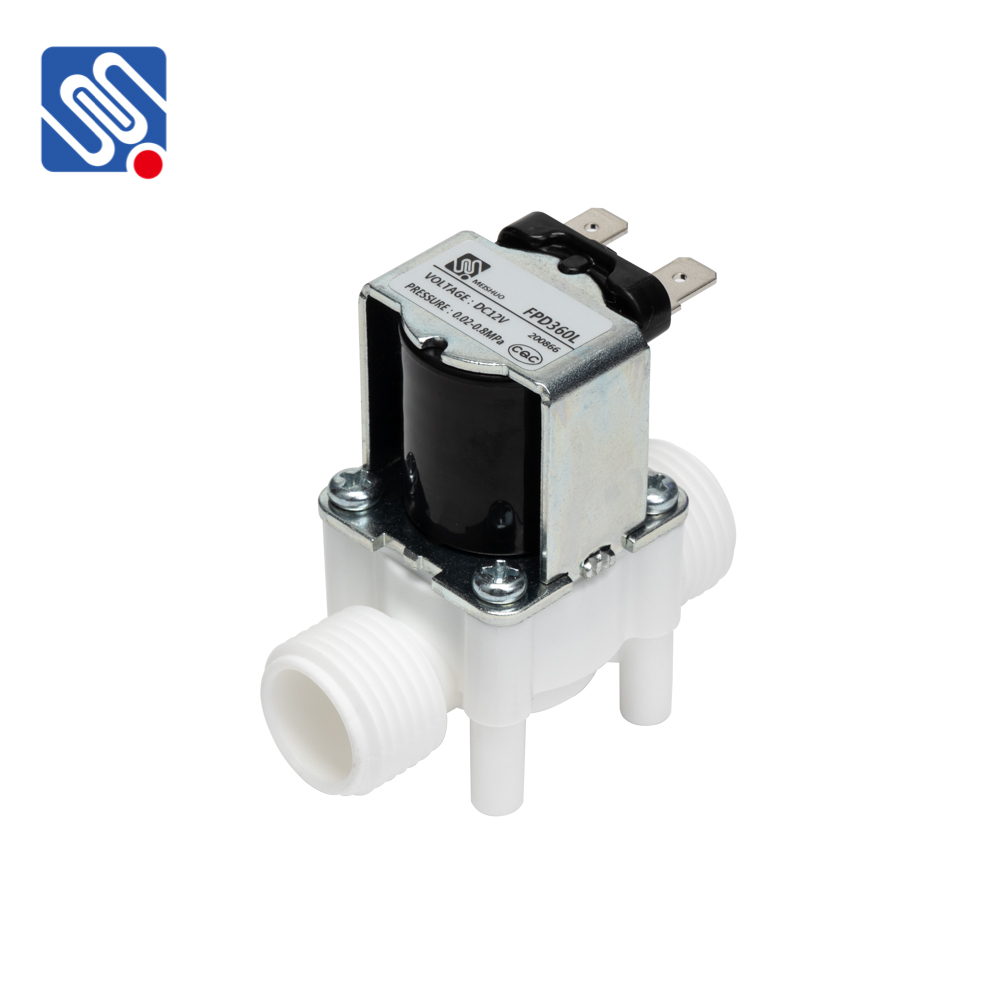
What is an AC Solenoid Valve? A solenoid valve is an electromechanical device used to control the flow of liquids or gases in a pipeline. It consists of a solenoid coil, an armature, a spring, and a valve body. When an electric current is applied to the solenoid coil, it generates a magnetic field that moves the armature, opening or closing the valve. The term “AC” refers to alternating current, which is the type of electricity commonly used to power these valves. AC solenoid valves are designed to operate on AC power sources, unlike DC solenoid valves, which work with direct current. They are typically used in applications where the availability of AC power is more common or more convenient. These valves are popular due to their simple design, durability, and ability to automate fluid control without the need for complex mechanical actuators.