The AC Solenoid Valve is an integral component in numerous industrial, agricultural, and domestic applications, serving as a critical control mechanism that regulates the flow of fluids such as water, gas, and steam. As automation and precision control become increasingly essential in modern systems, the significance of solenoid valves continues to grow. This article provides a detailed examination of AC solenoid valves, covering their working principles, types, applications, advantages, and maintenance tips.
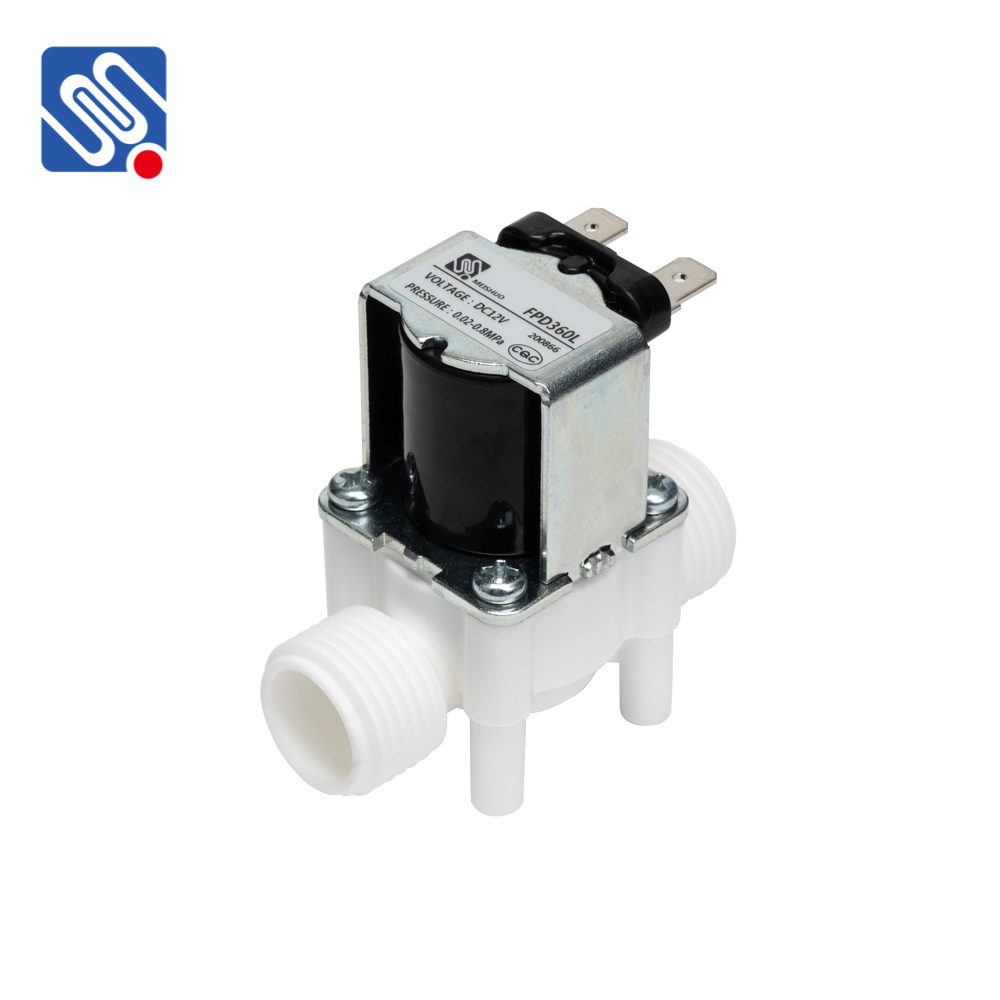
Working Principle An AC solenoid valve operates based on the principles of electromagnetism. The core component of this valve is an electromagnetic coil. When alternating current (AC) flows through the coil, it generates a magnetic field that either opens or closes the valve, allowing or inhibiting fluid flow. The valve can be designed as either normally closed (NC) or normally open (NO). In an NC valve, the flow is interrupted when no power is applied, whereas an NO valve allows fluid to flow freely until power is introduced. Types of AC Solenoid Valves AC solenoid valves come in various configurations designed to meet specific operational needs: