The AC Motor Relay is a crucial component in various electrical systems, particularly in the control and protection of alternating current (AC) motors. Through its ability to manage motor operation, provide overload and short-circuit protection, and enhance system reliability, the AC Motor Relay plays a fundamental role in ensuring smooth, efficient, and safe motor operations in a wide range of applications.
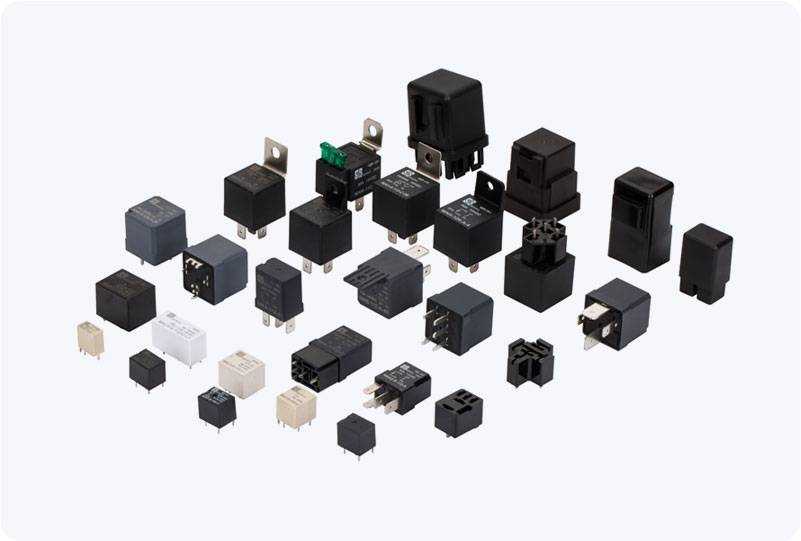
What is an AC Motor Relay? An AC Motor Relay is an electromechanical device that serves as a switch to control electrical circuits, specifically those involving AC motors. It operates based on electromagnetic principles, where a coil generates a magnetic field to mechanically move a set of contacts. These contacts either open or close electrical circuits, permitting or interrupting the flow of current to the motor. Key Functions of AC Motor Relay Motor Start and Stop Control: One of the primary functions of the AC Motor Relay is to enable the starting and stopping of electric motors. The relay can be integrated with control systems that send signals to initiate or terminate motor operation. For instance, the relay can receive input from a manual switch or automated system, allowing users to smoothly control the motor’s activity.