The arrival of 5G technology has transformed the landscape of mobile communication, offering high-speed data transfer, low latency, and massive connectivity. However, to fully capitalize on 5G’s potential, addressing challenges like coverage in remote areas and dense urban environments is crucial. This is where 5G base station relays come into play. By amplifying and retransmitting signals, base station relays help extend network coverage, improve performance, and ensure seamless connectivity in areas that may otherwise be underserved. This article delves into the concept of 5G base station relays, exploring how they work, their applications, and the challenges they address.
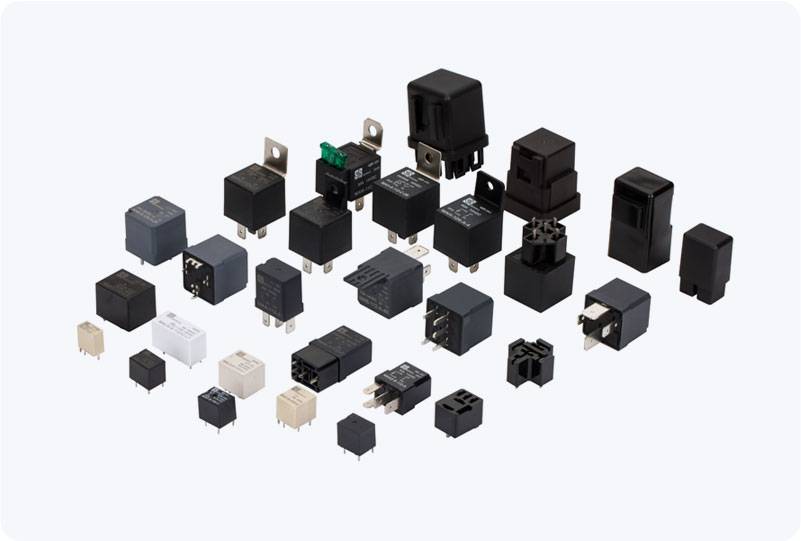
What is a 5G Base Station Relay? A 5G base station relay is a network node designed to receive, amplify, and retransmit signals from a primary base station to extend coverage, improve signal strength, and provide continuous connectivity. Relays serve as intermediaries between the main base station and user devices, enabling reliable communication in areas where the direct signal from the base station may be weak or obstructed by geographical or structural barriers. These relays are particularly essential in the context of 5G because of the higher frequency bands used by 5G networks. While 5G offers faster speeds and greater capacity, these high-frequency signals suffer from limited propagation distances and can be blocked by obstacles like buildings and trees. Relays help mitigate these challenges by boosting the signal and retransmitting it to areas that are beyond the range of the primary base station.
Leave a Reply