A 220V AC relay is an essential electrical component used to control a variety of high-voltage or high-current applications. Often found in both residential and industrial settings, these relays function as electromagnetic switches, allowing for the safe and efficient operation of electrical devices. In this article, we will discuss the working principle, common applications, and installation considerations for 220V AC relays, providing a comprehensive understanding of this vital component.
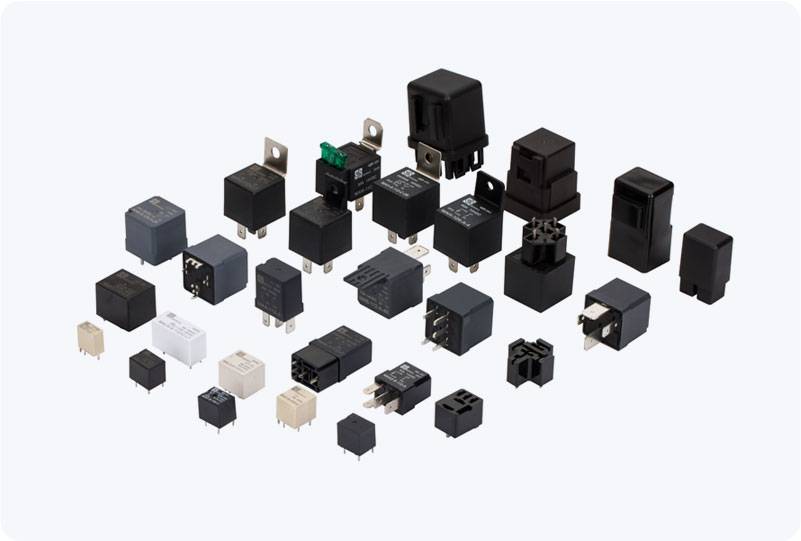
Working Principle The basic operation of a 220V AC relay is founded on electromagnetism. When an alternating current (AC) voltage of 220V is applied to the relay’s coil, it generates a magnetic field. This magnetic field attracts an iron armature, which is a movable metal lever connected to the relay’s contacts. Depending on the design of the relay, we can have normally open (NO) or normally closed (NC) contacts. In the case of a normally open relay, the contacts are open when no power is supplied, meaning the connected load is off. Once the 220V AC supply is applied, the magnetic field pulls the armature down, closing the contacts and allowing current to flow through to the load, which turns it on. Conversely, for a normally closed relay, power to the coil opens the contacts, interrupting the circuit.