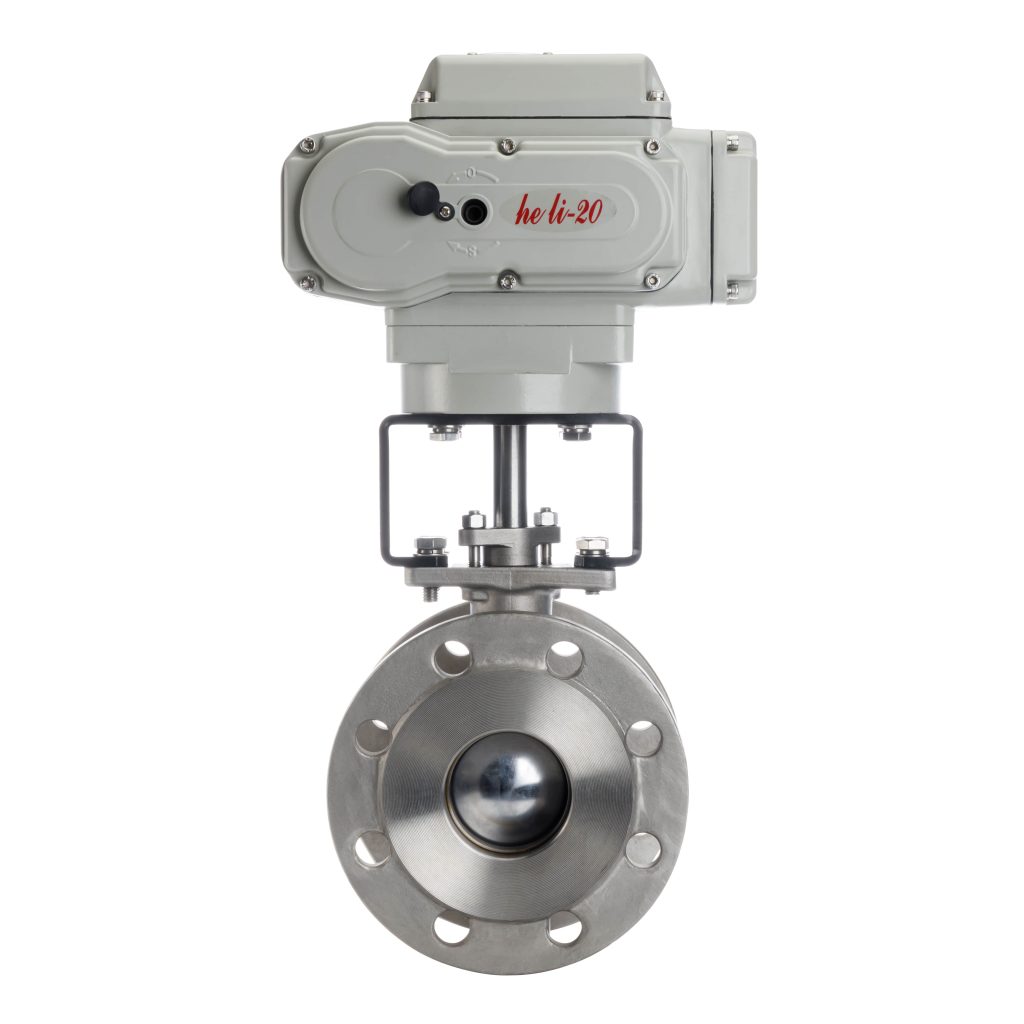
The Electric V-ball valve, a technological marvel in the field of fluid control, has revolutionized the way we regulate and direct the flow of liquids and gases in various industrial applications. Its unique design and functionality make it a standout choice for a wide range of processes, from simple on-off control to precise flow regulation.
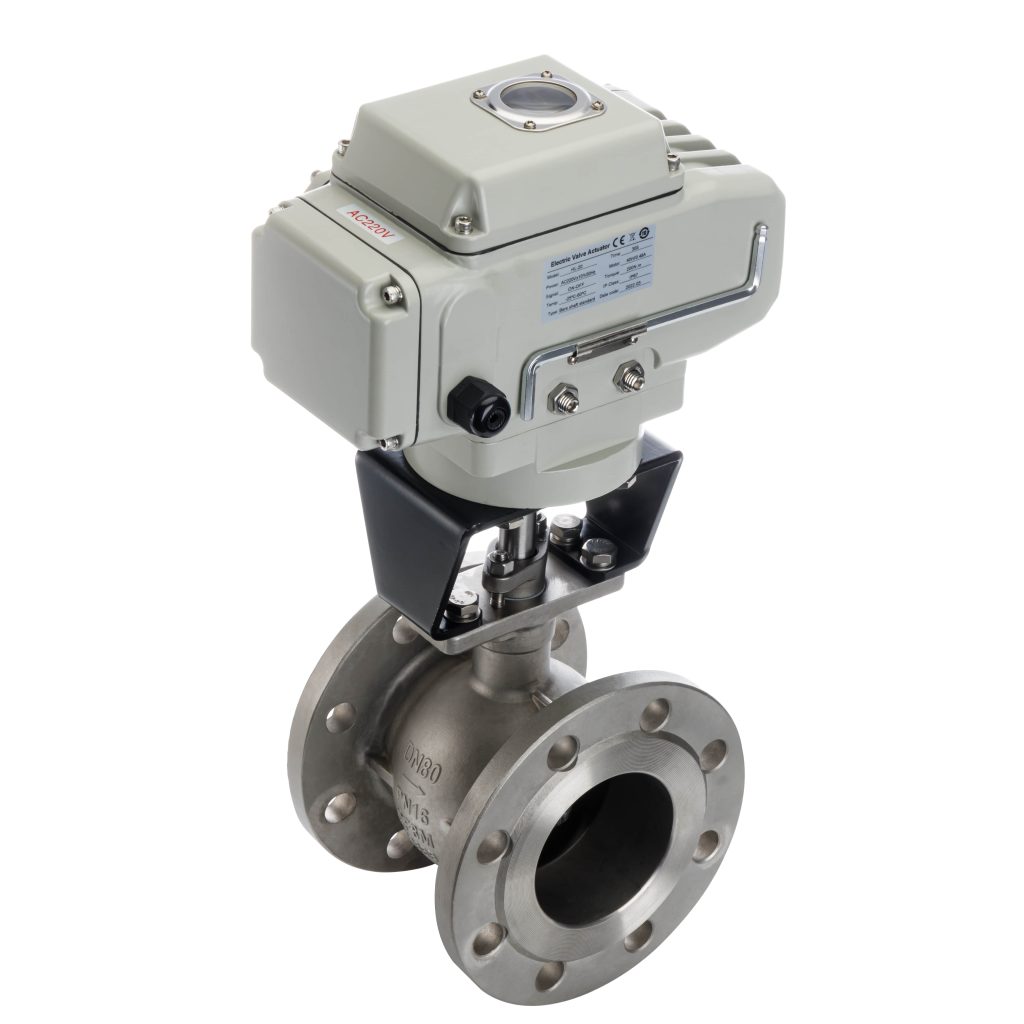
The core of the Electric V-ball valve lies in its innovative V-shaped ball design. This feature not only allows for a smooth and efficient flow of fluids but also provides excellent sealing capabilities. The V-shape of the ball effectively seals off the valve, preventing any leakage and ensuring the integrity of the system. Additionally, the design also incorporates a precise adjustment mechanism that allows for fine-tuning of the flow rate, making it an ideal choice for applications that require meticulous control.
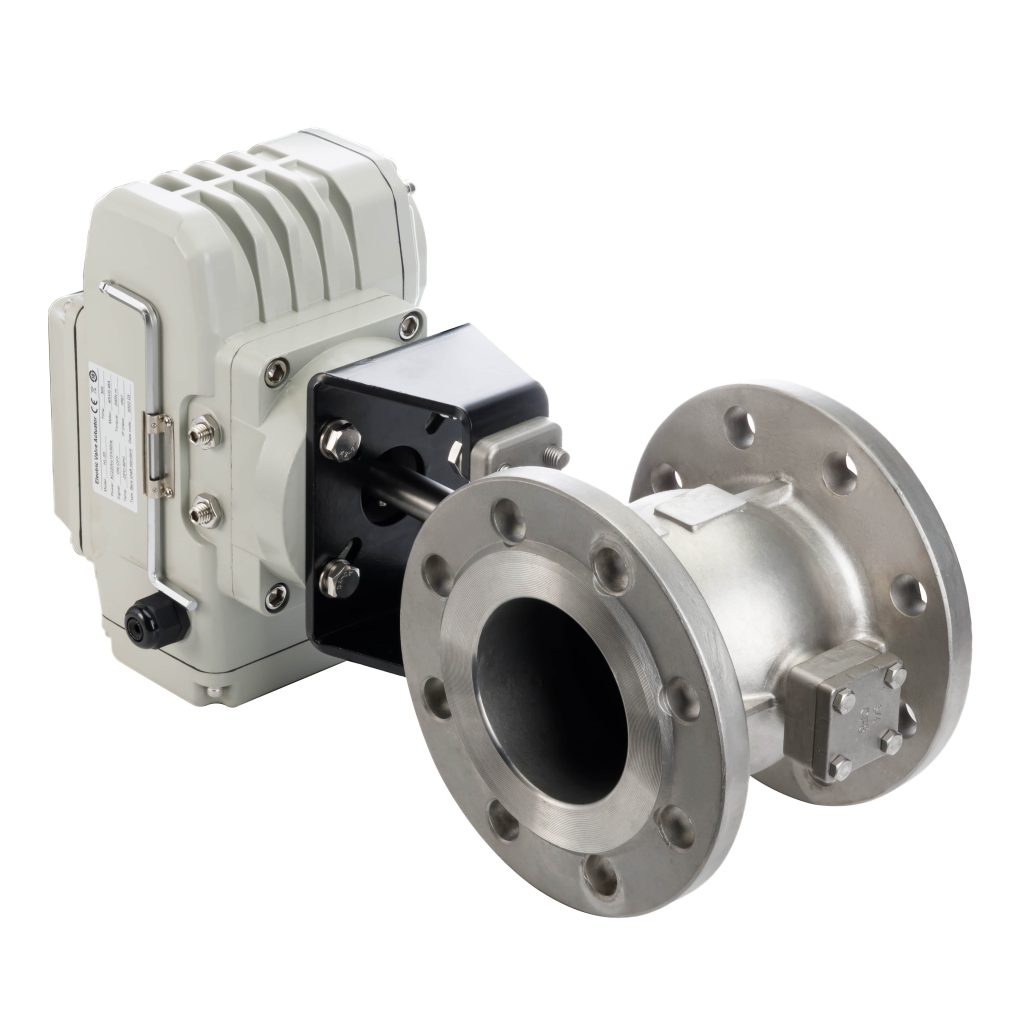
The integration of electric actuation into the V-ball valve further enhances its functionality. Electric actuators provide precise and reliable control over the valve’s operation, enabling it to respond quickly and accurately to changes in flow requirements. This, in turn, improves the efficiency of the entire system, reducing energy consumption and operational costs. The Electric V-ball valve finds widespread application in various industries. In the chemical industry, it is used to control the flow of corrosive and hazardous fluids, ensuring the safety and stability of the production process. In the oil and gas industry, the valve’s ability to handle high-pressure and high-temperature conditions makes it a crucial component in pipelines and processing facilities. It is also commonly used in the water treatment and power generation industries, where precise control over fluid flow is crucial for the efficient operation of these systems.