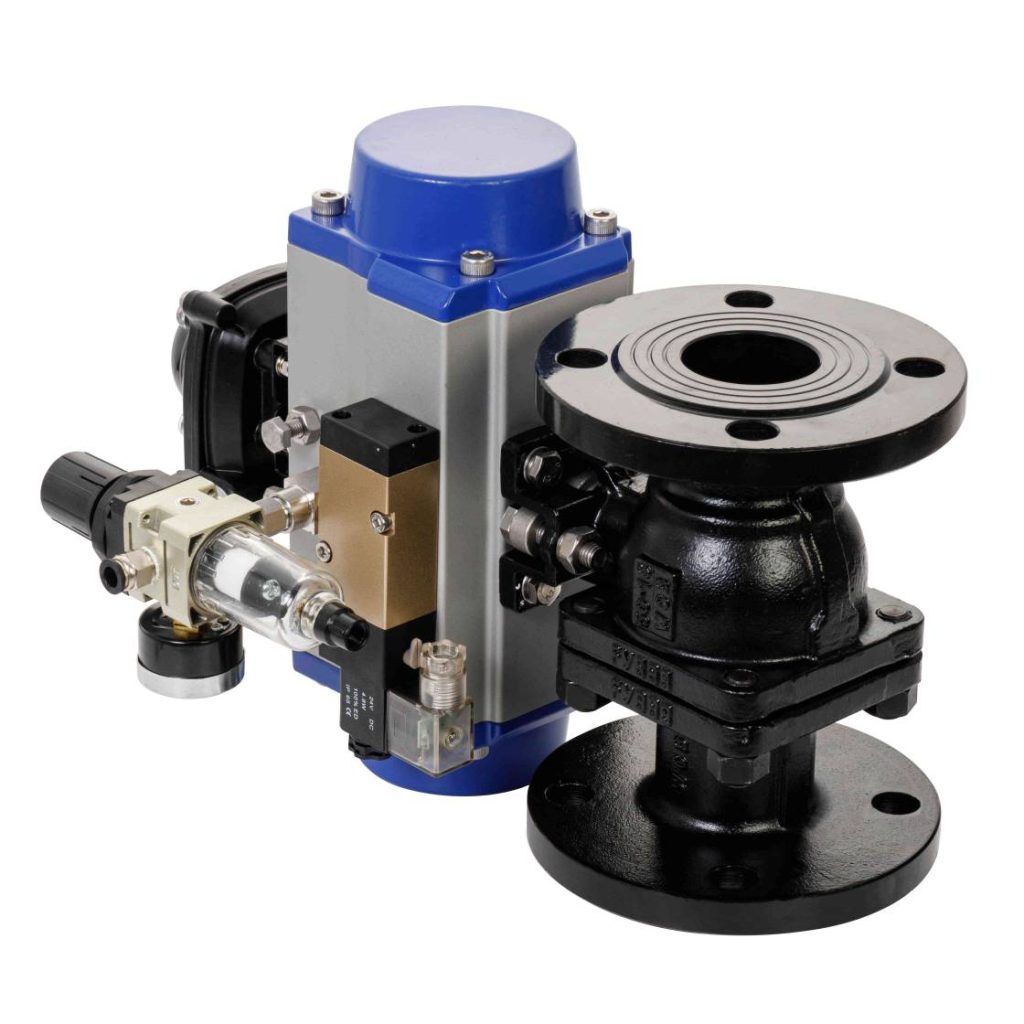
In the industrial world, valves play a crucial role in regulating the flow of fluids within various systems. Among these valves, the stainless steel pneumatic ball valve stands out due to its unique features and adaptability to diverse environments. This article delves into the structure, function, and importance of the stainless steel pneumatic ball valve.
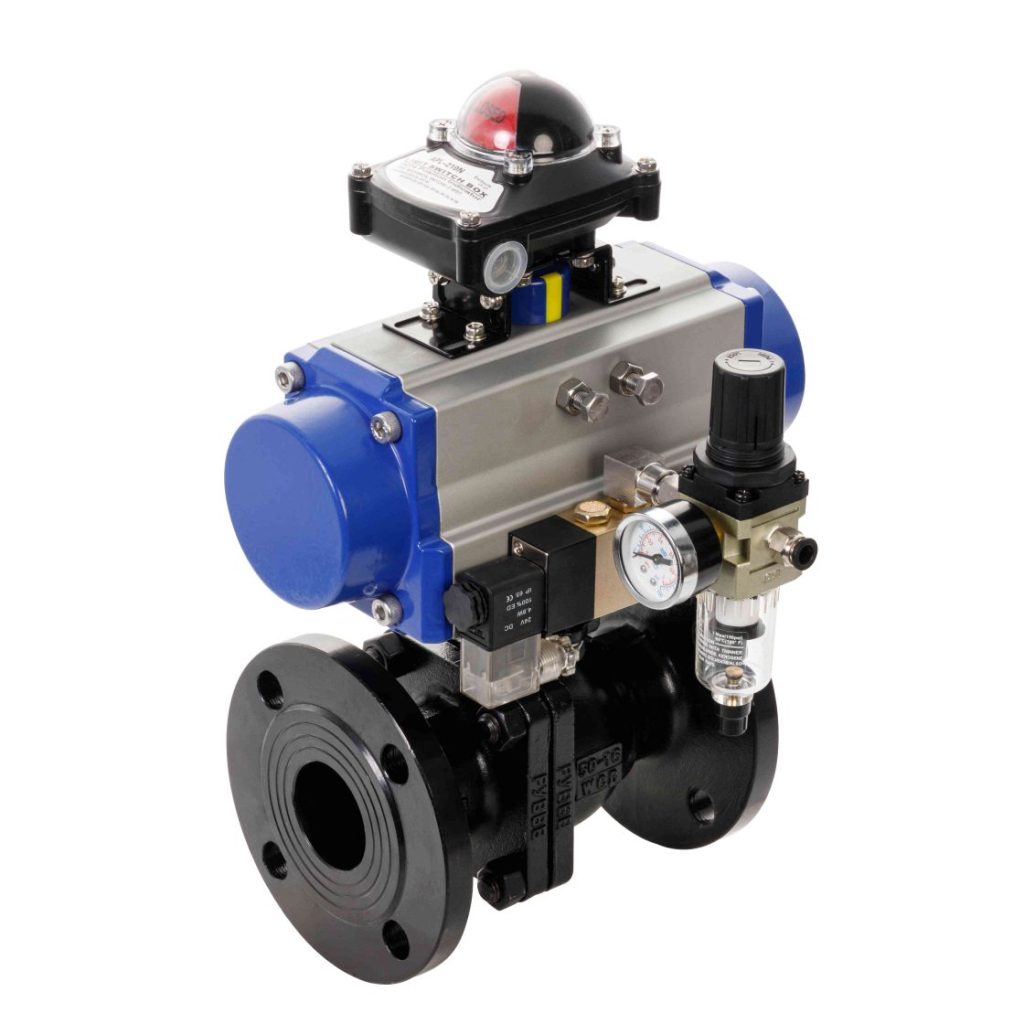
Structure and Design
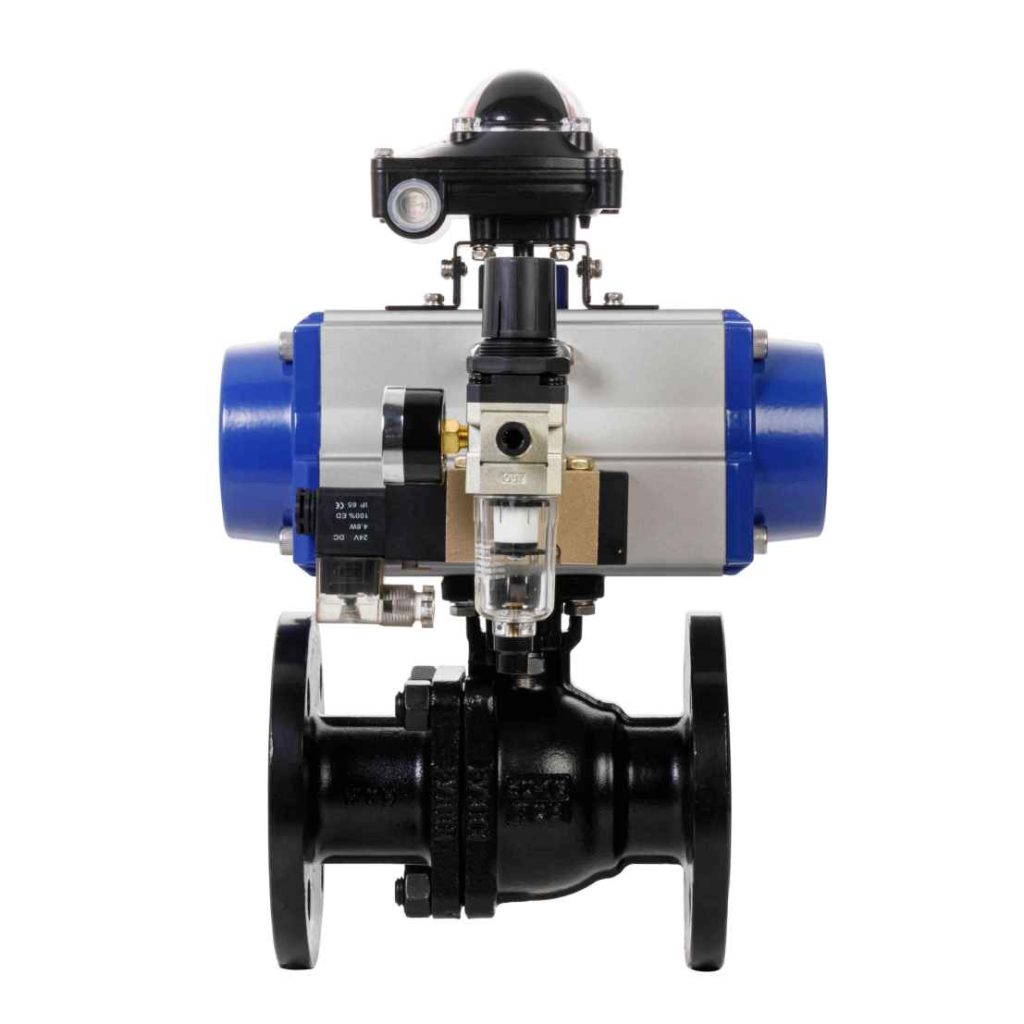
The stainless steel pneumatic ball valve is constructed primarily from high-grade stainless steel, ensuring durability and resistance to corrosion. This material choice makes it suitable for use in harsh environments where other materials may deteriorate quickly. The valve’s design features a spherical disc or ball, which rotates 90 degrees to either block or allow the flow of fluid. This design allows for quick and easy operation, making it an ideal choice for applications that require rapid response times. Functionality The pneumatic ball valve’s functionality is driven by a pneumatic actuator, which uses compressed air to open and close the valve. This actuator provides a reliable and precise means of controlling the valve, even in remote or automated systems. When compressed air is applied to the actuator, it exerts force on the ball, causing it to rotate and either align with or perpendicular to the flow of fluid. By adjusting the air pressure, precise control over the fluid’s flow rate can be achieved.