Plastic solenoid valves are vital components in many fluid control systems, mainly due to their reliability, adaptability, and resistance to various environmental factors. These valves utilize electromagnetic principles to manage the flow of fluids in various industries, including automotive, chemical processing, and food and beverage. This article delves into the features, benefits, working mechanisms, and applications of plastic solenoid valves, highlighting their importance in modern fluid control.
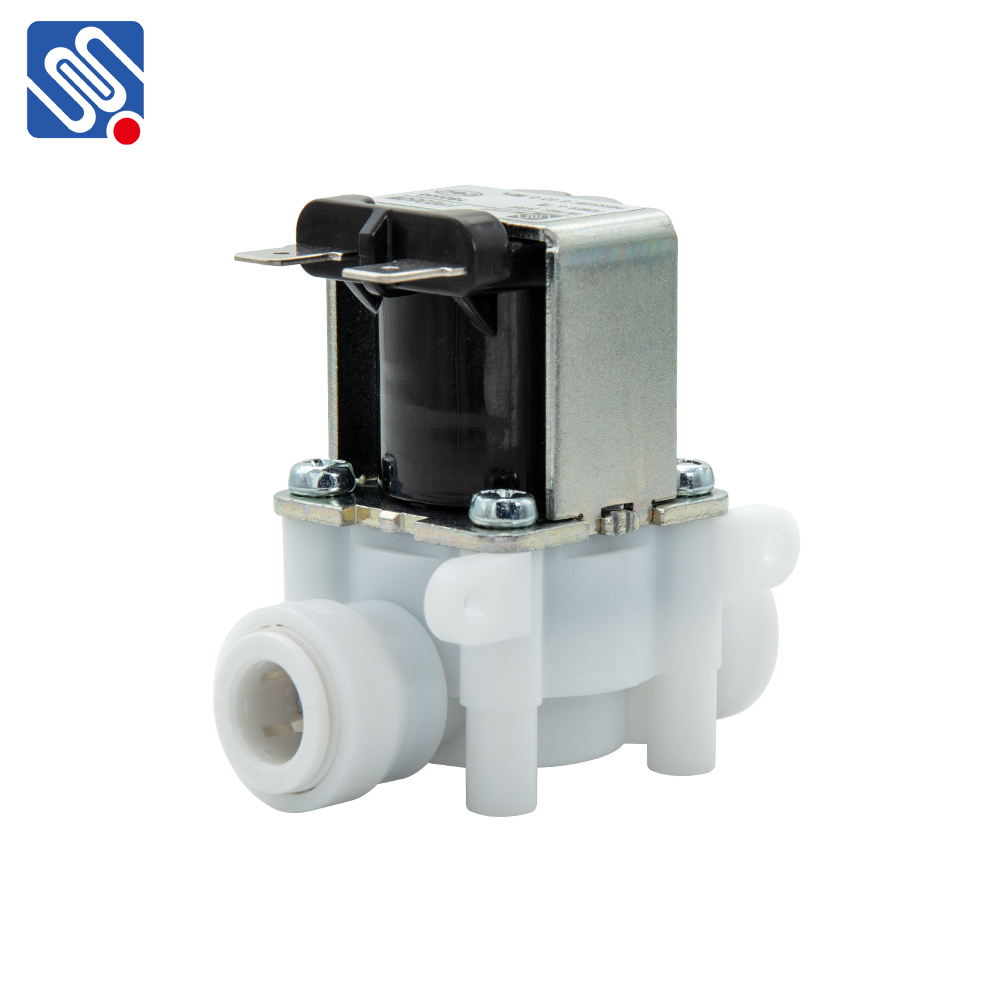
Understanding Plastic Solenoid Valves At its core, a plastic solenoid valve is an electromechanical device that opens or closes the flow of fluid when an electric current is applied to the solenoid coil. The casing of these valves is typically made from robust, lightweight plastic materials, such as polyvinyl chloride (PVC), polypropylene (PP), or other corrosion-resistant plastics. This material choice enhances their usability in environments where metallic components would corrode or degrade. Key Features and Benefits Corrosion Resistance: One of the most significant advantages of plastic solenoid valves is their resistance to corrosion. This characteristic is especially important in industries that deal with aggressive chemicals or corrosive fluids, where metal valves would fail rapidly. The use of high-quality plastic ensures that these valves can last longer, reducing maintenance costs and downtime.