Stainless steel pneumatic ball valves are essential components in various industrial applications, responsible for controlling the flow of fluids and gases in a range of systems. They combine the reliability of stainless steel construction with the efficiency of pneumatic actuation, making them a preferred choice among engineers and facility managers in many sectors. This article explores the advantages, applications, and operational mechanisms of stainless steel pneumatic ball valves, shedding light on why they are increasingly favored in modern industrial environments.
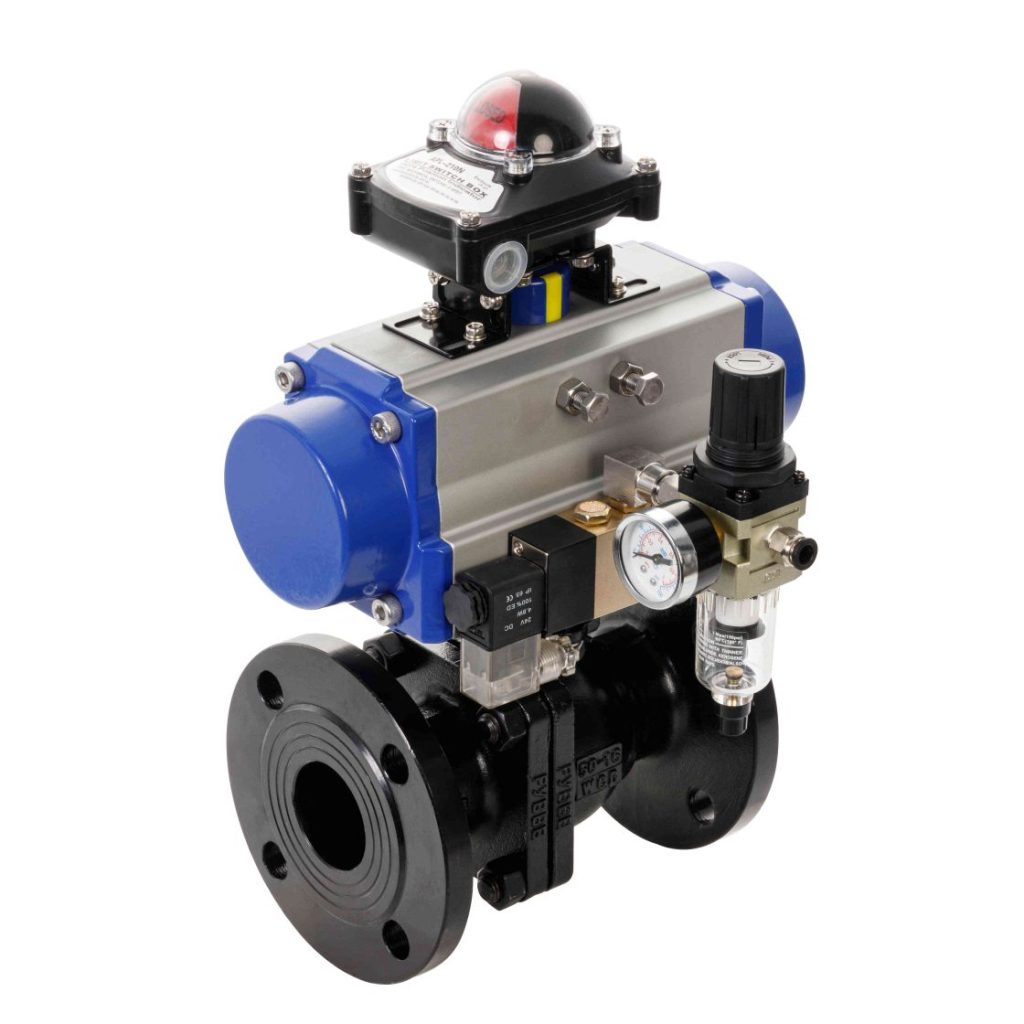
Understanding Stainless Steel Pneumatic Ball Valves
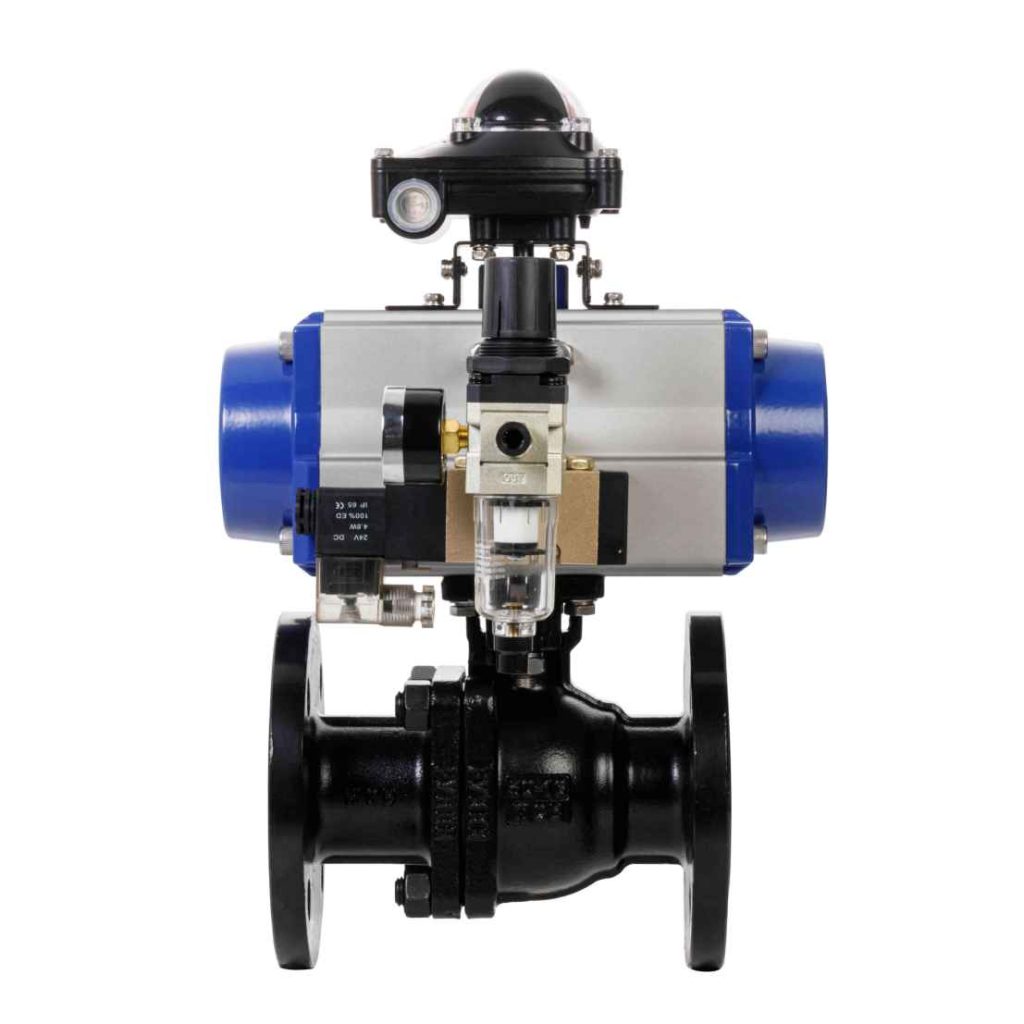
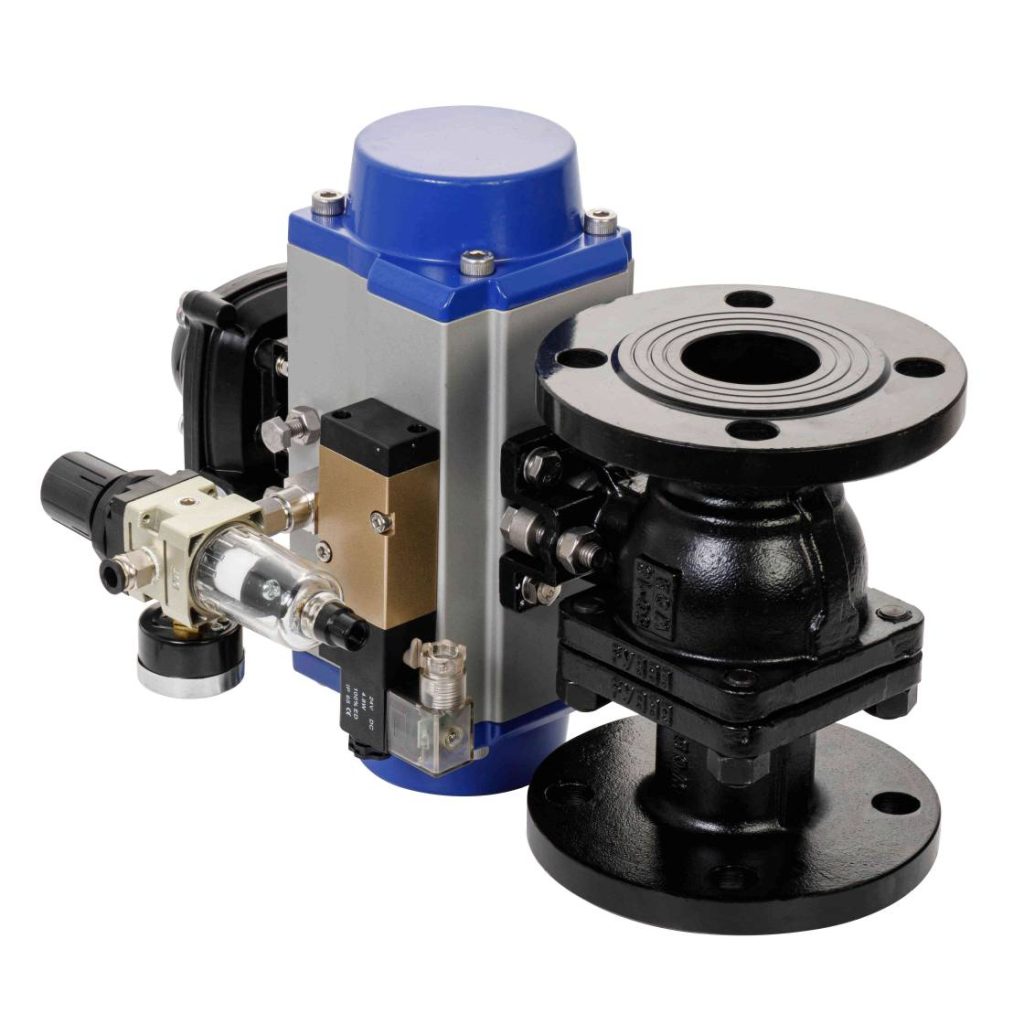
At their core, stainless steel pneumatic ball valves consist of a spherical ball with a hole through its center, which enables or blocks flow through the valve. The ball’s rotation is controlled by a pneumatic actuator, which is powered by compressed air. This design allows for rapid opening and closing, offering a decisive advantage in dynamic environments where quick adjustments to flow control are necessary. The inner workings of these valves utilize the principle of a quarter-turn operation. When the valve is turned 90 degrees, the flow path can either be fully open or fully closed, ensuring minimal resistance when open and a tight seal when shut. This feature is particularly useful in applications requiring frequent cycle times or immediate response.
Leave a Reply