In today’s modern world, where comfort and energy efficiency go hand in hand, the thermostat controller stands as a pivotal device in maintaining an optimal indoor environment. This unassuming device, often overlooked, plays a significant role in regulating the temperature of our homes and workplaces. In this article, we will delve into the workings of the thermostat controller, its importance, and how it contributes to our daily lives.
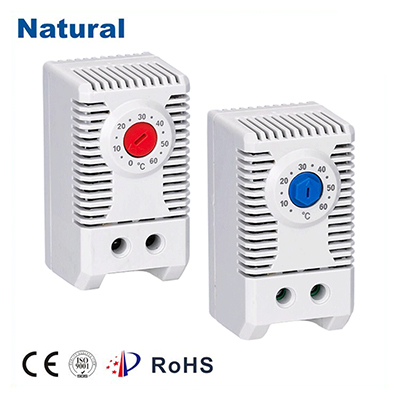
The Inner Workings of the Thermostat Controller A thermostat controller is a device designed to maintain a set temperature by controlling heating, cooling, or ventilation systems. The core principle behind its functionality is based on temperature sensing and feedback loops. Equipped with temperature sensors, the controller constantly monitors the surrounding environment. Once the actual temperature deviates from the desired setpoint, the thermostat takes action to rectify the discrepancy. Importance in Energy Efficiency Efficiency is a key aspect of the modern lifestyle, and the thermostat controller plays a significant role in achieving this. Programmable thermostats, a common iteration of the thermostat controller, allow users to preset temperature levels according to their daily routines. For instance, during working hours, the thermostat can adjust the temperature to save energy by reducing heating or cooling when no one is at home. This level of control not only enhances comfort but also contributes to lower energy bills and a reduced carbon footprint. Smart Thermostats: The Next Evolution In recent years, the emergence of smart technology has revolutionized thermostat controllers. Smart thermostats take energy efficiency to the next level by incorporating machine learning algorithms that adapt to user preferences and behaviors. These devices can learn the temperature patterns of a household and automatically adjust settings to match the occupants’ comfort needs. Moreover, smart thermostats can be controlled remotely through smartphone apps, enabling users to modify settings even when they are away from home. This remote accessibility ensures that you can arrive at a perfectly heated or cooled home, regardless of any unexpected schedule changes. Challenges and Considerations While thermostat controllers offer a plethora of benefits, they also come with their set of challenges. One such challenge is calibration accuracy. A thermostat needs to be properly calibrated to ensure it accurately reflects the true temperature of its surroundings. Failure to calibrate a thermostat can lead to inefficient temperature control and discomfort. Another consideration is the placement of the thermostat. To accurately gauge the temperature of a room, the thermostat should be positioned away from direct sunlight, drafts, and heat-producing appliances. This placement prevents false temperature readings that could lead to unnecessary energy consumption. Conclusion The thermostat controller, often overlooked in our daily lives, is a cornerstone of modern comfort and energy efficiency. Its ability to regulate temperature through feedback loops ensures that our environments remain consistently comfortable while minimizing energy wastage. With the advent of smart technology, the thermostat has evolved into a sophisticated device that adapts to our preferences and lifestyles. As we continue to prioritize energy efficiency and environmental sustainability, the thermostat controller stands as a shining example of how a small, unassuming device can make a substantial impact. So, the next time you adjust your thermostat, remember the remarkable technology that quietly works behind the scenes to keep you comfortable and help protect our planet.