In the fast-paced world of technology, the demand for efficient and reliable energy storage solutions is ever-increasing. Among these solutions, lithium batteries have emerged as a preferred choice due to their high energy density, longevity, and lightweight characteristics. However, the performance and safety of lithium batteries hinge significantly on the components that make them functional. One such critical component is the WCB lithium battery valve, a device designed to enhance the safety and reliability of lithium-ion batteries.
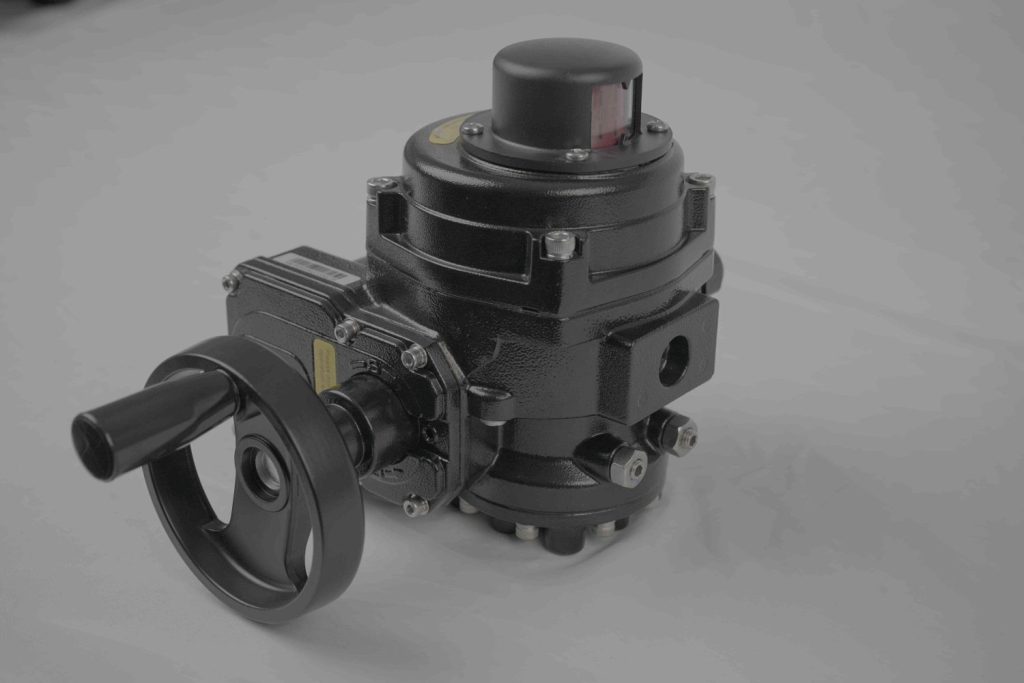
Understanding WCB Lithium Battery Valve The WCB lithium battery valve, or the “Wet Cell Battery” valve, serves as a vital safety mechanism within lithium batteries. Its primary function is to regulate the pressure inside the battery during charging and discharging processes. By maintaining optimal pressure levels, the valve prevents the risk of rupture or explosion, which can be catastrophic in battery-operated devices, from smartphones to electric vehicles. Lithium-ion batteries operate under specific conditions, where chemical reactions generate gases as by-products. If these gases accumulate, they can lead to increased pressure within the battery casing. The WCB valve acts as a pressure relief mechanism, allowing excess gas to escape safely while preventing external contaminants from entering the battery. This dual functionality is crucial in ensuring the longevity and efficiency of lithium batteries.