In the dynamic landscape of industrial operations, efficient control of temperature is paramount. This is where industrial thermostats emerge as unsung heroes, playing a crucial role in maintaining optimal working conditions, enhancing productivity, and ensuring the safety of both equipment and personnel. In this article, we delve into the significance of industrial thermostats and their multifaceted contributions.
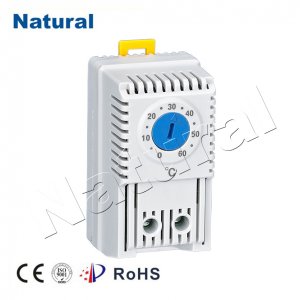
Introduction Industrial processes encompass a wide spectrum of activities, from manufacturing and chemical production to energy generation and more. In these contexts, temperature control is essential to uphold quality, prevent equipment malfunction, and guarantee a safe working environment. Here, industrial thermostats prove their mettle by maintaining precise temperature levels within defined parameters. Precision Temperature Control The heart of any industrial thermostat lies in its ability to provide precision temperature control. In complex manufacturing processes, even slight deviations from the desired temperature can lead to defective products or compromised safety. Industrial thermostats leverage advanced sensors and control algorithms to ensure temperature stability, reducing variations to a minimum and thereby enhancing product quality. Energy Efficiency Energy efficiency is a cornerstone of modern industrial practices. Industrial thermostats contribute to energy conservation by regulating heating and cooling systems in an optimal manner. By closely monitoring ambient conditions and adjusting the temperature accordingly, these devices help to avoid unnecessary energy consumption, leading to cost savings and reduced environmental impact. Process Optimization Industries often rely on tightly controlled processes to achieve desired outcomes. Industrial thermostats facilitate process optimization by maintaining consistent temperatures throughout production cycles. This is particularly critical in industries such as electronics, where variations in temperature can adversely affect the performance and reliability of components. Equipment Protection Industrial equipment is a significant investment for any company. Fluctuations in temperature can accelerate wear and tear, leading to premature equipment failure and costly repairs. Industrial thermostats act as guardians, preventing temperature-related damage by ensuring that machinery operates within safe thermal limits. Safety Assurance Safety in industrial settings is paramount. Extreme temperatures can not only damage equipment but also pose risks to workers. Industrial thermostats contribute to a safe work environment by preventing overheating and by triggering alarms or shutdowns in the event of temperature anomalies, thereby mitigating potential hazards. Remote Monitoring and Control The advent of the Internet of Things (IoT) has revolutionized industrial operations. Modern industrial thermostats often come equipped with IoT capabilities, allowing for remote monitoring and control. This feature enables facility managers and engineers to oversee temperature conditions in real time, make adjustments remotely, and receive alerts about critical temperature deviations. Adaptability to Diverse Industries One of the remarkable aspects of industrial thermostats is their versatility. They are designed to cater to a wide range of industries, from food processing and pharmaceuticals to automotive manufacturing and beyond. This adaptability showcases the integral role that these devices play in maintaining quality and efficiency across diverse sectors. Conclusion In the intricate web of industrial processes, the role of industrial thermostats is undeniable. Their ability to maintain precise temperatures, conserve energy, optimize processes, protect equipment, and ensure safety makes them indispensable components of modern industrial operations. As technology continues to advance, industrial thermostats will likely evolve further, ushering in an era of even greater efficiency and precision in temperature control.