In the realm of modern living, where comfort and efficiency go hand in hand, the integration of advanced technologies plays a pivotal role. Among these technologies, thermostats and hygrostats emerge as key components in maintaining optimal environmental conditions within our spaces. These intelligent devices not only regulate temperature and humidity but also offer insights into energy conservation and well-being.
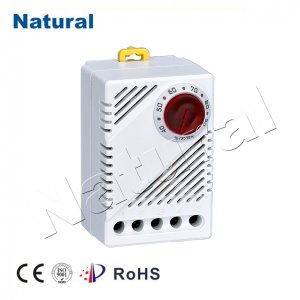
Thermostats: Navigating the Temperature Terrain Thermostats are electronic wonders that have transformed the way we experience indoor comfort. These devices, often mounted on walls, continuously monitor and regulate the ambient temperature. When the temperature veers from the preset comfort level, the thermostat kicks into action, either activating the heating or cooling system to restore equilibrium. This not only keeps inhabitants comfortable but also contributes to energy savings by preventing excessive heating or cooling. However, the evolution of thermostats extends beyond basic temperature control. Smart thermostats, connected to the Internet of Things (IoT), usher in a new era of control and convenience. These devices learn from users’ preferences and habits, adapting their settings accordingly. By analyzing occupancy patterns, a smart thermostat can adjust temperatures when the house is empty, resulting in significant energy savings over time. Additionally, remote control through smartphones empowers users to fine-tune the climate even when they are away, ensuring a comfortable return after a long day. Hygrostats: Navigating the Humidity Landscape While temperature is a major player in the comfort game, humidity is another essential factor that significantly influences our well-being and the condition of our indoor spaces. This is where hygrostats enter the scene. These devices monitor and control humidity levels, preventing excessive moisture that could lead to mold growth and other issues, as well as maintaining sufficient moisture to prevent discomfort and health concerns associated with dry air. The importance of hygrostats becomes particularly evident in spaces like bathrooms, kitchens, and basements, where moisture tends to accumulate. A hygrostat works in tandem with exhaust fans or dehumidifiers, activating them when humidity crosses a set threshold. This prevents the growth of mold, mildew, and dust mites, which can lead to respiratory problems and allergies. Synergy in Environmental Control Thermostats and hygrostats often collaborate to create an ideal living environment. For instance, during the sweltering heat of summer, a thermostat might signal the air conditioning system to cool the air, while a hygrostat ensures that the cooling process doesn’t leave the air too dry, maintaining a balanced humidity level. Moreover, the data gathered by these devices offers insights that can drive energy-efficient decisions. Understanding how temperature and humidity patterns fluctuate allows homeowners to optimize their HVAC (heating, ventilation, and air conditioning) systems, reducing energy consumption and subsequently lowering utility bills. It’s a symbiotic relationship where technology aligns with environmental awareness. Looking Forward As technology continues its relentless march forward, thermostats and hygrostats are likely to evolve further, becoming even more intuitive and responsive to our needs. Their integration with smart home ecosystems will likely extend to broader interactions, considering factors such as outdoor weather conditions and individual preferences to offer a personalized and adaptive indoor environment. In conclusion, thermostats and hygrostats stand as silent sentinels, maintaining the delicate balance of temperature and humidity within our living spaces. Their contributions are twofold: enhancing comfort and promoting energy efficiency. Together, they exemplify the fusion of technology and well-being, a testament to how innovation can elevate our quality of life while safeguarding our environment.