Introduction
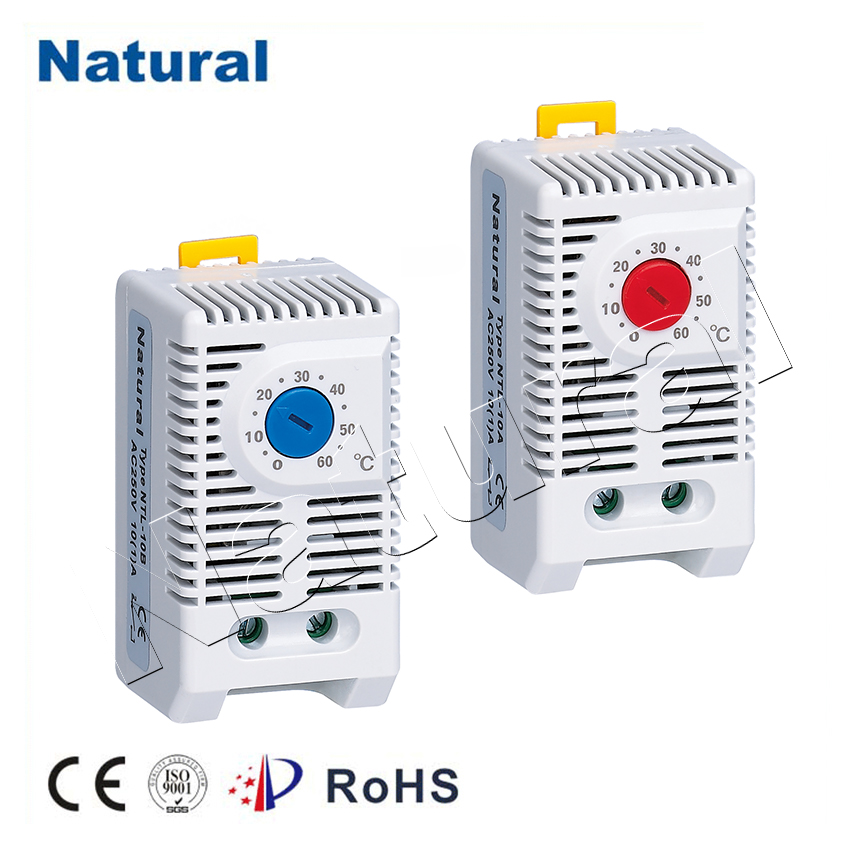
In the realm of modern comfort and energy efficiency, the thermostat temperature controller has emerged as a pivotal component in the operation of heaters. This innovative device not only enables precise control over indoor temperatures but also contributes significantly to energy conservation and cost savings. In this article, we will delve into the workings and benefits of thermostat temperature controllers for heaters. The Function of Thermostat Temperature Controllers A thermostat temperature controller serves as the brain behind the heating process. Its primary function is to monitor the ambient temperature of a space and regulate the heater’s operation accordingly. The controller achieves this by activating the heater when the temperature falls below the desired setpoint and deactivating it once the set temperature is reached. This continuous cycle maintains a consistent and comfortable indoor climate. Precision and Customization One of the remarkable advantages of thermostat temperature controllers is their precision in temperature regulation. Unlike traditional heating systems that often result in temperature fluctuations, these controllers ensure that the desired temperature is maintained with minimal variance. This precision not only enhances comfort but also prevents energy wastage by avoiding excessive heating. Moreover, thermostat temperature controllers offer a high degree of customization. Users can easily set their preferred temperature, enabling them to create an environment that suits their comfort level. Some advanced controllers even allow programming of temperature schedules, enabling different settings during various times of the day. Energy Efficiency and Cost Savings The integration of thermostat temperature controllers with heaters has brought about significant improvements in energy efficiency. By operating the heater only when necessary, these controllers minimize energy consumption, thereby reducing utility bills and environmental impact. The ability to fine-tune heating cycles ensures that energy is not squandered on maintaining excessively high temperatures. Smart Thermostat Technology In recent years, the advancement of smart technology has revolutionized thermostat temperature controllers. Smart thermostats can connect to the internet and be controlled remotely through smartphones or computers. This feature proves invaluable, as it allows users to adjust heating settings even when they are away from home. Additionally, many smart thermostats incorporate machine learning algorithms that adapt to users’ preferences and schedules, optimizing energy usage over time. Enhancing Heater Lifespan Thermostat temperature controllers play a pivotal role in prolonging the lifespan of heaters. The controlled and efficient operation facilitated by these controllers reduces the wear and tear experienced by heating elements, extending their durability. This translates to fewer repairs and replacements, resulting in long-term cost savings for homeowners and businesses. Conclusion In the realm of heating technology, thermostat temperature controllers have emerged as indispensable tools for maintaining optimal indoor comfort while prioritizing energy efficiency. Their precision, customization, and integration with smart technology have transformed the way we heat our spaces. By regulating heating cycles and preventing unnecessary energy consumption, these controllers not only contribute to cost savings but also promote a greener and more sustainable future. As we continue to seek innovative ways to balance comfort and conservation, thermostat temperature controllers stand at the forefront of this endeavor.