Plastic valves for water systems play an essential role in today’s water distribution networks. Whether used in residential, commercial, or industrial settings, these valves are integral to the efficient management and control of water flow. Over the years, advancements in plastic materials have allowed these valves to become a popular choice for modern water systems. With their durability, corrosion resistance, and cost-effectiveness, plastic valves offer a practical and reliable solution to meet the growing demand for water management.
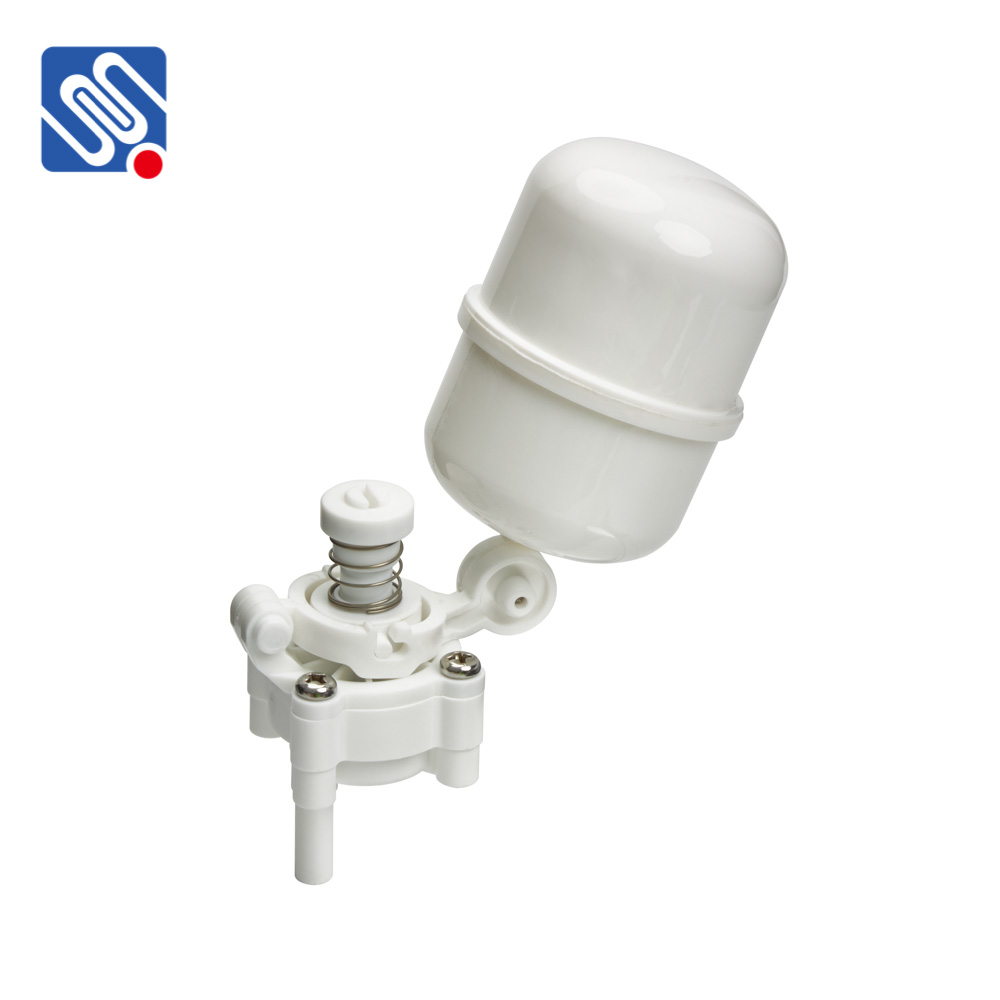
1. Material Advantages of Plastic Valves Plastic valves are typically made from materials such as PVC (Polyvinyl Chloride), CPVC (Chlorinated Polyvinyl Chloride), PP (Polypropylene), and PE (Polyethylene). These materials offer several key advantages over traditional metal counterparts. First and foremost, plastic is highly resistant to corrosion. Unlike metal valves, which are prone to rusting and degradation when exposed to water and chemicals, plastic valves can withstand harsh water conditions for a longer period without compromising functionality. Moreover, plastic valves are lightweight, which makes installation and transportation more cost-effective. Their flexibility in design allows manufacturers to create valves of various shapes and sizes, making them suitable for a wide range of applications, from small residential systems to large industrial pipelines.