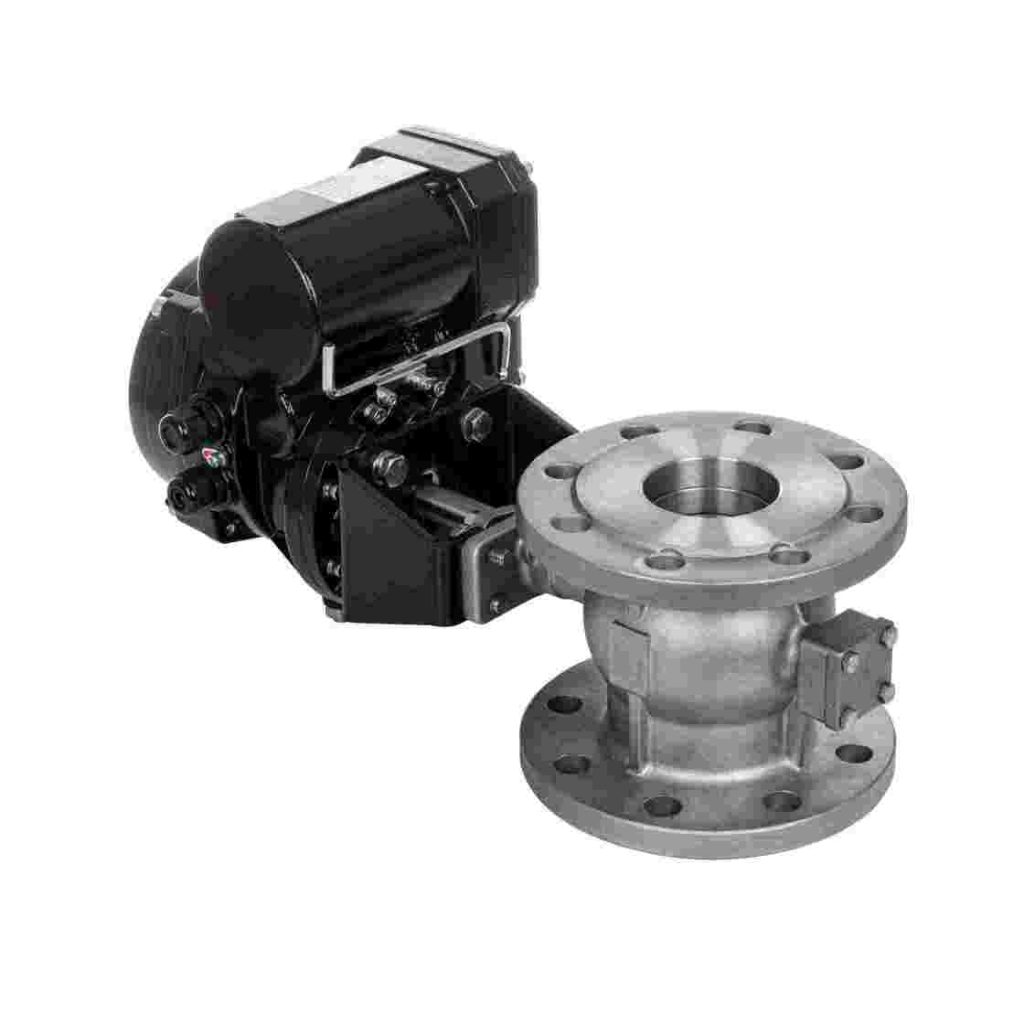
Electric valves are critical components in a variety of industrial processes, controlling the flow of liquids and gases in systems ranging from water treatment plants to oil and gas facilities. As industries continue to evolve and integrate advanced technologies, the demand for reliable and efficient electric valves has surged. In this context, electric valve manufacturers play a pivotal role in ensuring that these components meet the highest standards of performance, safety, and innovation.
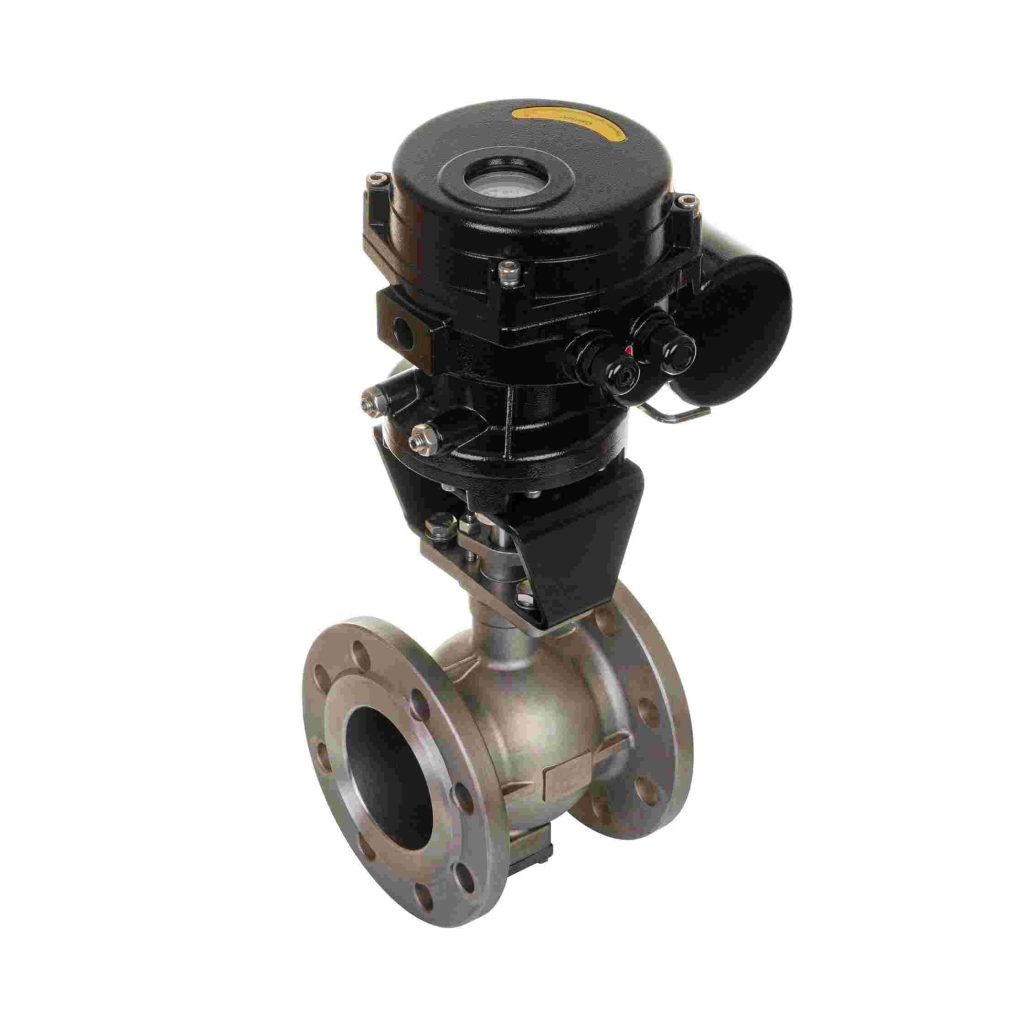
Understanding Electric Valves
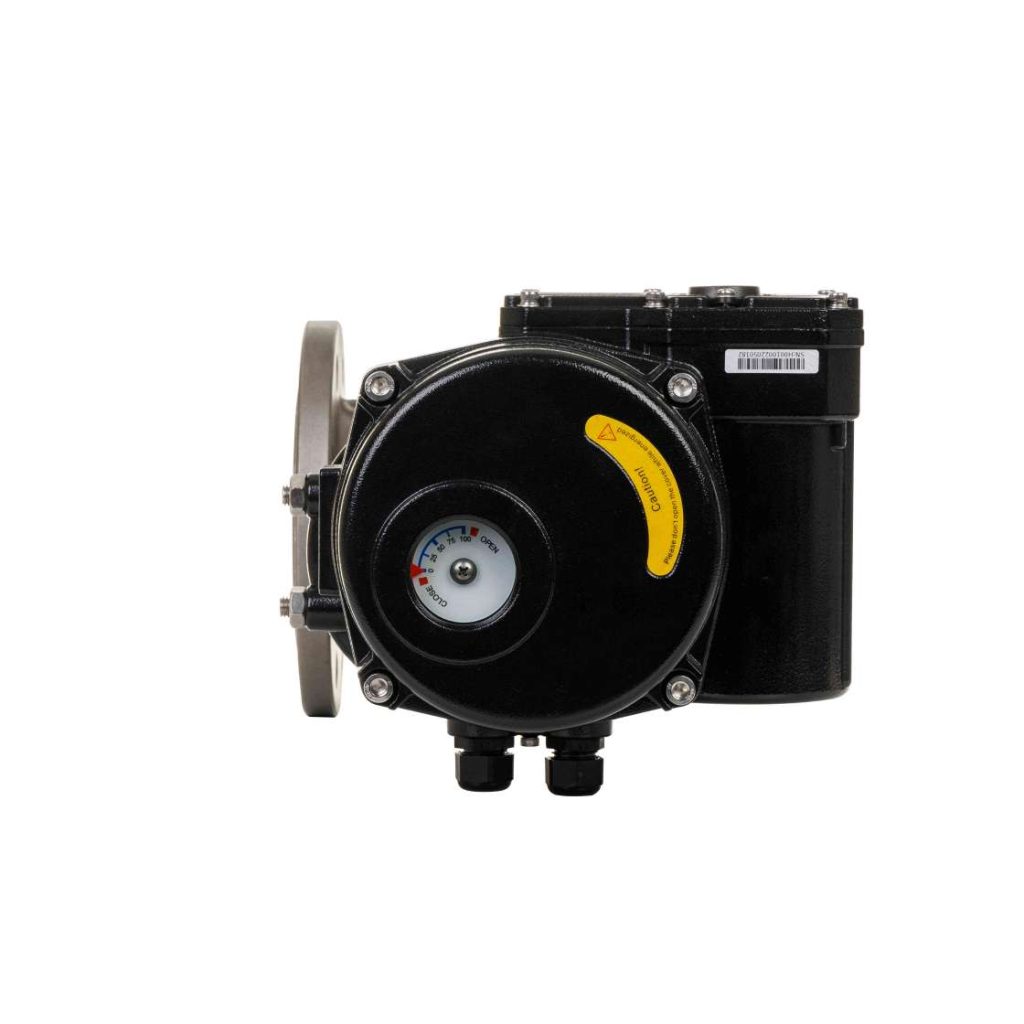
Electric valves are automated devices that utilize electric actuators to open or close valve mechanisms. Unlike manual valves, which require human intervention, electric valves can be controlled remotely, allowing for precise and instantaneous adjustments in flow. This automation enhances operational efficiency, reduces labor costs, and minimizes the risk of human error. Electric valves are commonly used in various applications, including HVAC systems, water distribution, chemical processing, and food and beverage manufacturing. The Importance of Quality and Reliability One of the primary responsibilities of electric valve manufacturers is to ensure the quality and reliability of their products. The performance of electric valves directly impacts the overall efficiency and safety of industrial processes. Therefore, manufacturers must adhere to stringent quality control standards throughout the production process. This includes using high-quality materials, employing advanced manufacturing techniques, and conducting rigorous testing of each valve before it leaves the factory.