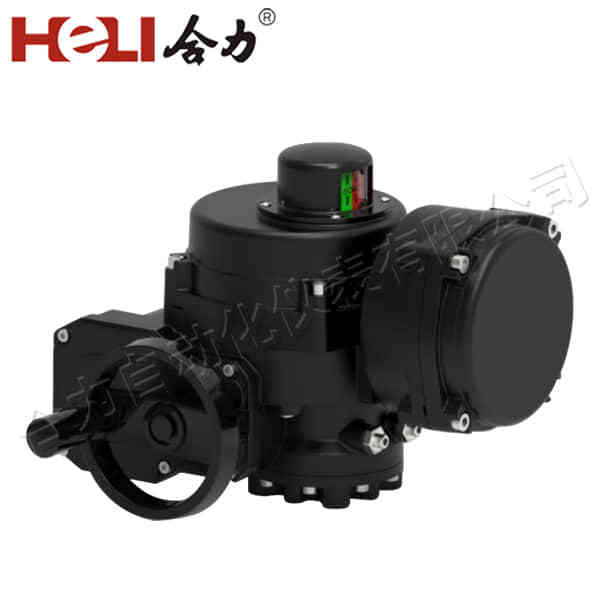
In modern industrial processes, precision and reliability are paramount for ensuring smooth and efficient operations. One of the key components in achieving this is the use of electric actuator valves. These devices are integral to controlling the flow of liquids, gases, or slurries in a variety of industries such as oil and gas, water treatment, chemical production, and more. Among the leaders in providing advanced automation solutions, Helix Automation stands out for its cutting-edge electric actuator valve technology, offering unmatched performance and efficiency.
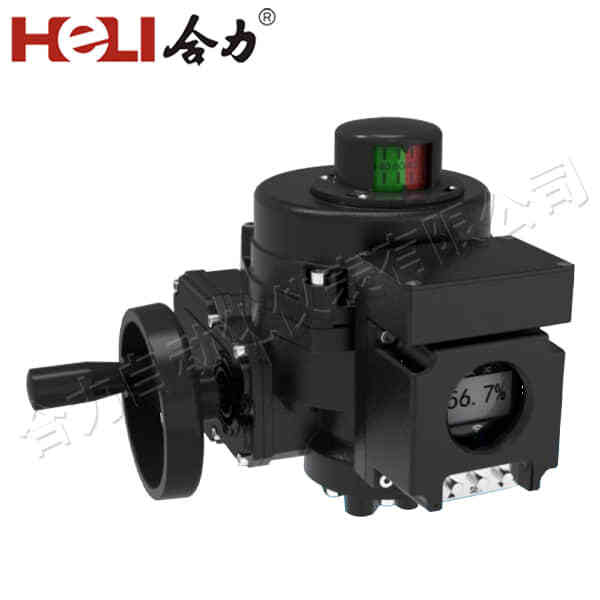
Understanding Electric Actuator Valves
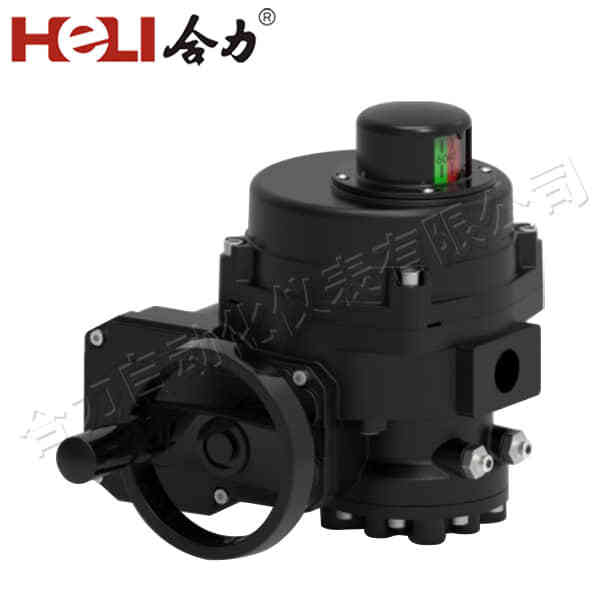
Electric actuator valves are devices that combine electric actuators with valves to control the flow of substances within a pipeline or system. The actuator, driven by an electric motor, provides the necessary mechanical force to open or close the valve, thus regulating the flow of materials. These valves are favored in applications where precise control, high-speed operation, and the ability to integrate with digital control systems are required. The electric actuator, typically powered by an electric motor, provides several benefits over other types of actuators such as pneumatic or hydraulic. These include better energy efficiency, reduced maintenance costs, and more accurate control due to the precise positioning capabilities of electric motors. Furthermore, electric actuator valves are known for their ease of integration into modern industrial control systems, which often rely on digital communications and automation protocols like Modbus or Profibus.