In the modern world of heating, ventilation, and air conditioning (HVAC) systems, damper actuators play a critical role in ensuring the efficiency and functionality of these complex systems. These actuators are responsible for controlling the movement of dampers—devices that regulate airflow by opening or closing ducts to control air distribution. The precision and reliability of damper actuators are vital for energy efficiency, comfort, and environmental sustainability in both commercial and residential buildings.
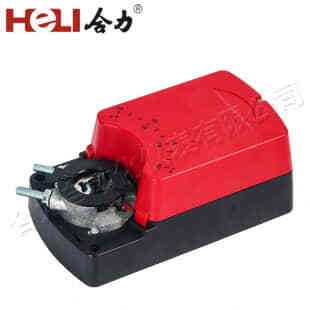
What is a Damper Actuator?
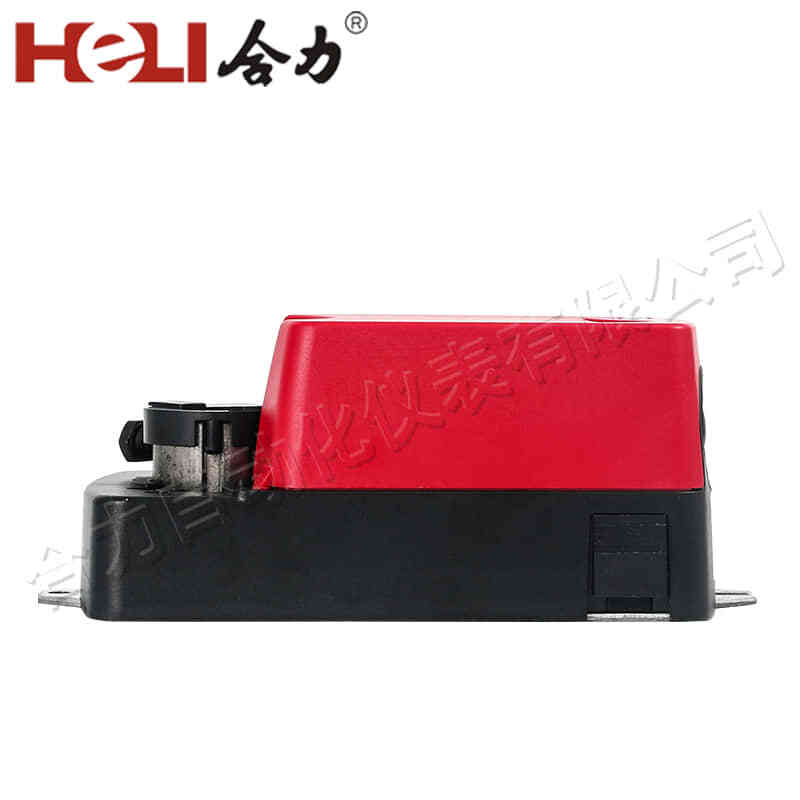
A damper actuator is an electromechanical device that controls the position of a damper in HVAC systems. The damper can either be a blade or a valve that adjusts the amount of air entering or leaving a room or ductwork. By moving the damper to the desired position, the actuator ensures that the air is distributed as needed, maintaining desired temperature and airflow. These actuators are often controlled by a thermostat or other intelligent building management systems. When the system detects that a temperature or airflow adjustment is needed, the actuator responds by opening or closing the damper accordingly. This action is typically performed by an electric motor that drives the actuator mechanism, although pneumatic and hydraulic actuators are also used in some systems.
