Lithium-ion batteries have become a cornerstone of modern technology, powering everything from smartphones and laptops to electric vehicles (EVs) and renewable energy storage systems. While their energy density and long-lasting performance make them the preferred choice for many applications, safety remains a top concern due to the potential risks associated with overheating, overcharging, and internal short circuits. One critical component that ensures the safe operation of lithium-ion batteries is the valve, commonly known as a lithium battery valve. The role of a lithium battery valve manufacturer is pivotal in providing these safety devices, which help mitigate risks and protect both users and devices from hazardous incidents.
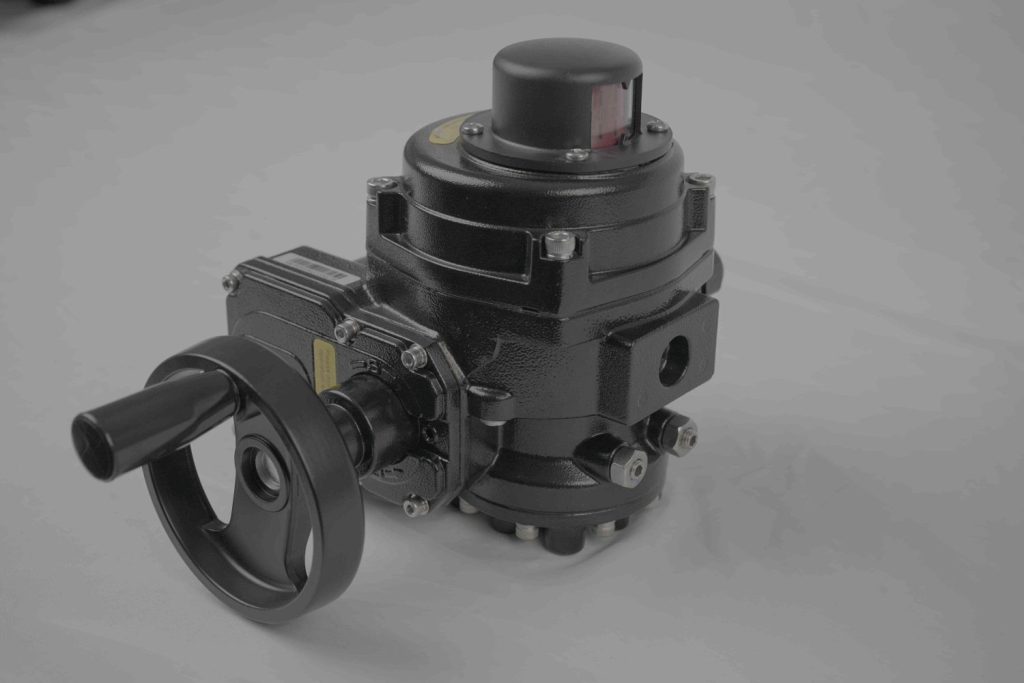
The Importance of Battery Valves A lithium battery valve is designed to manage the internal pressure of a battery, especially in the case of malfunction or overcharge, when gas buildup occurs. Without these valves, excessive pressure could lead to battery rupture, leakage of toxic chemicals, or even fire and explosion. These safety valves are integral to the functioning of lithium-ion batteries, ensuring that the internal pressure remains within safe limits and that any excess gases are safely vented. Typically, lithium battery valves are used in the battery management system (BMS), which is responsible for regulating and monitoring the battery’s health, charging cycles, and temperature. When the system detects an anomaly, such as overheating or a build-up of gas, the valve opens, allowing gas to escape and preventing the internal pressure from reaching dangerous levels.