Programmable Logic Controllers (PLCs) have revolutionized industrial automation by providing a versatile and reliable solution for controlling various machinery and processes. One essential component of a PLC system is the PLC Control Relay, which serves as an interface between the PLC and external equipment such as motors, lights, or valves. This article delves into the concept of PLC Control Relays, their working principle, applications, advantages, and their importance in modern automation systems.
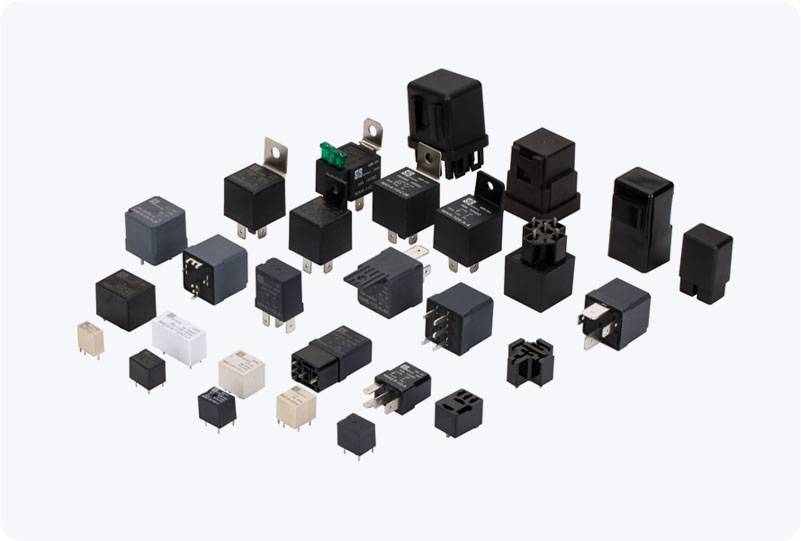
What is a PLC Control Relay? A PLC Control Relay is an electrical device that allows a PLC to control the operation of other devices in an automated system. It acts as a switch that is controlled by the PLC’s output signals. The relay typically consists of a coil and a set of contacts. When the PLC sends an electrical signal to energize the coil, the contacts either open or close, thus controlling the connected load. This enables the PLC to manage high-power or high-voltage devices that the PLC itself cannot directly control due to power limitations. How PLC Control Relays Work PLC Control Relays are primarily used to isolate the PLC from high-power circuits. When the PLC generates an output signal, it activates the relay coil. Depending on the relay’s configuration, the contacts will either open or close, completing or breaking the electrical circuit.