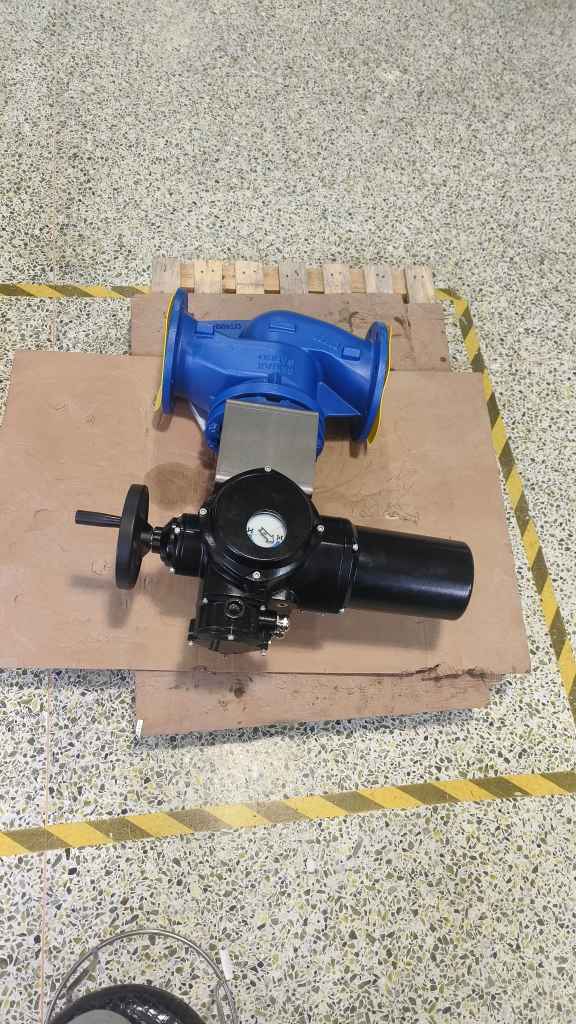
Hydrogen energy is rapidly gaining attention as a key component of the global transition to sustainable and clean energy. As industries and governments invest in hydrogen fuel cells, hydrogen storage, and hydrogen-powered transportation, the need for robust, efficient, and safe infrastructure to manage hydrogen energy is becoming increasingly critical. One of the essential components in ensuring the safe operation of hydrogen systems is the Hydrogen Energy Electric Shut-Off Valve. This article explores the importance, functionality, and applications of this crucial device in hydrogen energy systems.
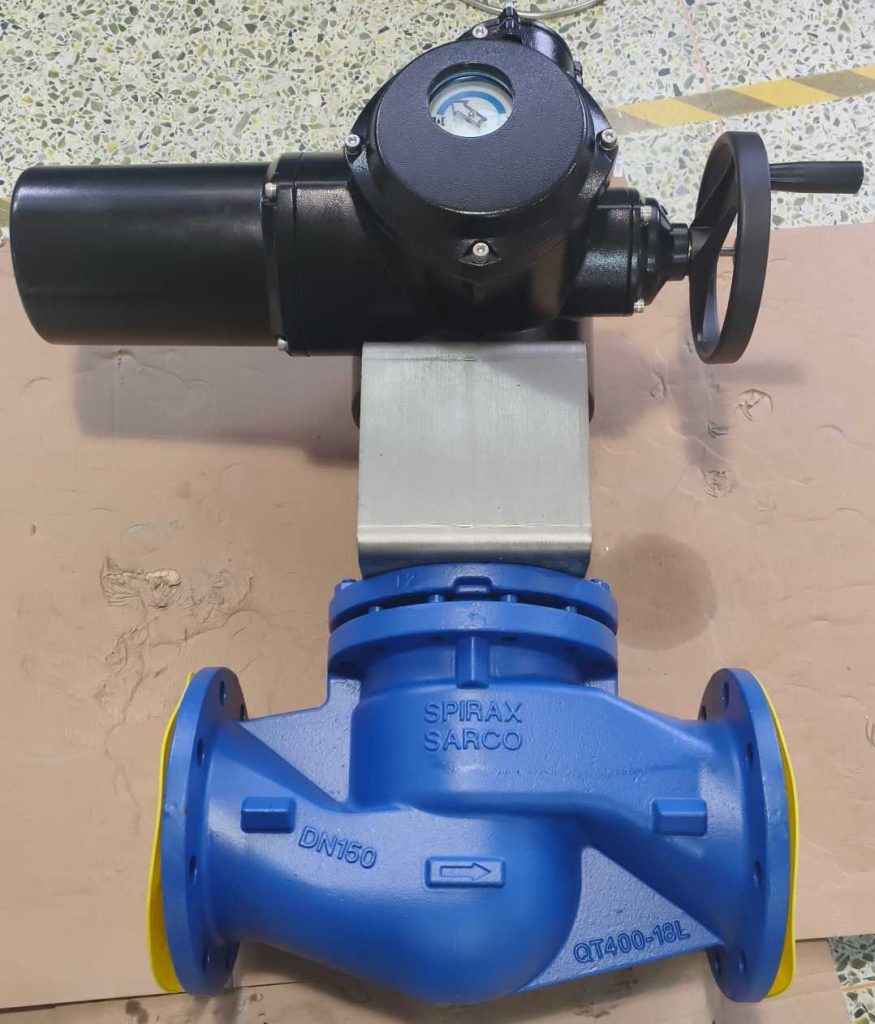
What is a Hydrogen Energy Electric Shut-Off Valve?
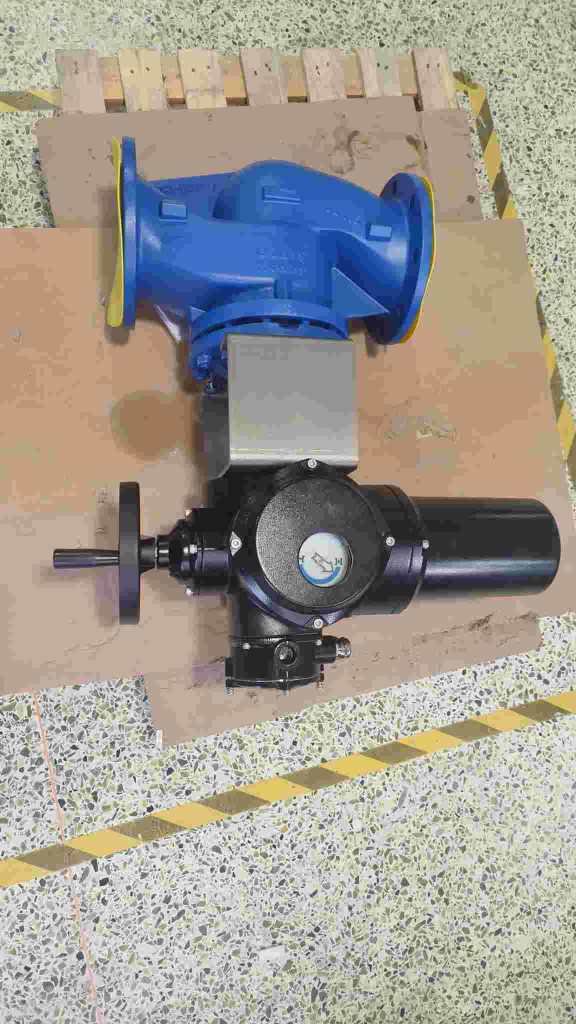
A Hydrogen Energy Electric Shut-Off Valve is a type of valve designed to control and manage the flow of hydrogen gas within a system. It is typically actuated by an electric motor, which enables remote or automatic operation of the valve to open or close the flow of hydrogen. These valves play an essential role in maintaining safety and control in hydrogen transportation, storage, and fuel cell systems. Given hydrogen’s highly flammable nature and the high pressures involved in its storage and distribution, it is critical that these valves function reliably to prevent accidents, gas leakage, or catastrophic failures.