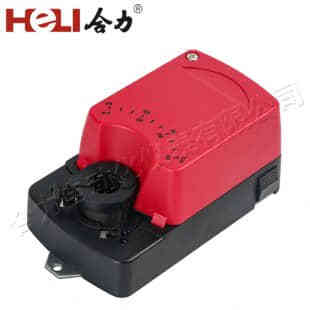
Damper actuators are crucial components in heating, ventilation, and air conditioning (HVAC) systems. They play a vital role in controlling airflow, maintaining system efficiency, and ensuring the comfort and safety of building occupants. In this article, we will explore what damper actuators are, how they work, and why they are essential in modern HVAC systems.
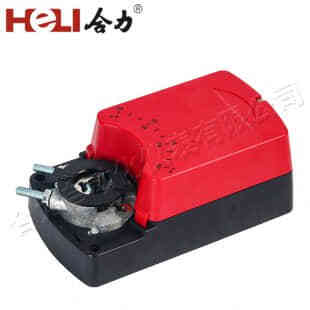
What is a Damper Actuator?
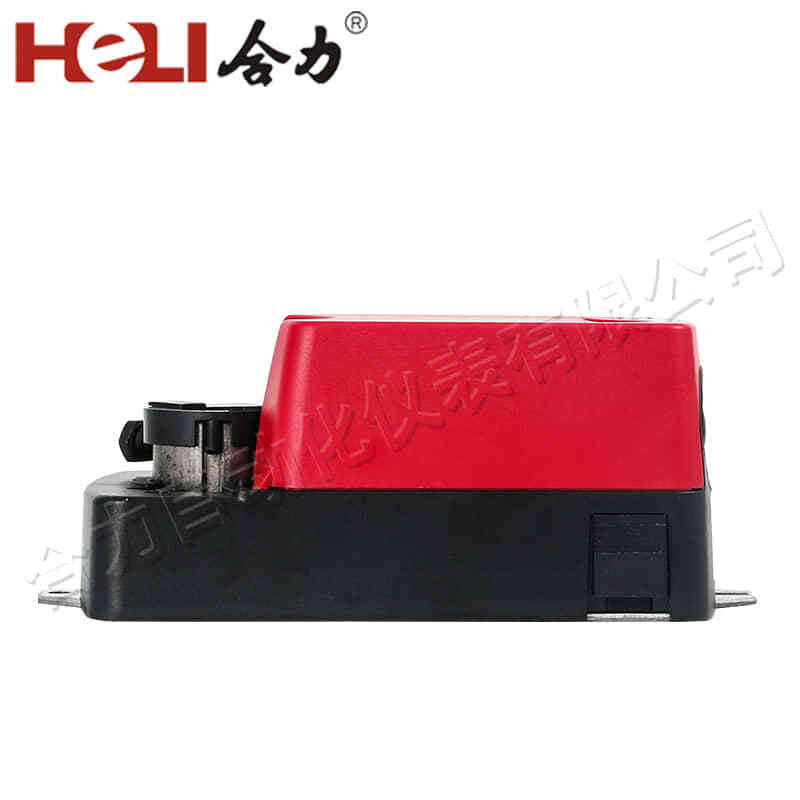
A damper actuator is a mechanical device used to control the position of a damper within an HVAC system. Dampers themselves are adjustable valves or plates that regulate the flow of air in ventilation systems, ducts, or chimneys. By opening or closing, dampers can control the amount of air entering or exiting a particular area, thereby regulating temperature, humidity, and air quality. The damper actuator is responsible for moving the damper blade to the desired position. It can be driven by various power sources, including electric, pneumatic, or hydraulic systems. In most HVAC applications, electric actuators are the most common due to their precise control and reliability.